Stepping off the plane in Cape Town, groggy and jetlagged from the transatlantic flight, I was simultaneously filled with anticipation and dreading the end of the two weeks ahead. Somehow, deep in my bones, I already knew South Africa was going to be one of my favorite places in the world. After months of research trying to decide where, when and how to go, followed by three years of pandemic related delays, every snag and snafu felt worth it when I climbed into the safari vehicle for the first time.
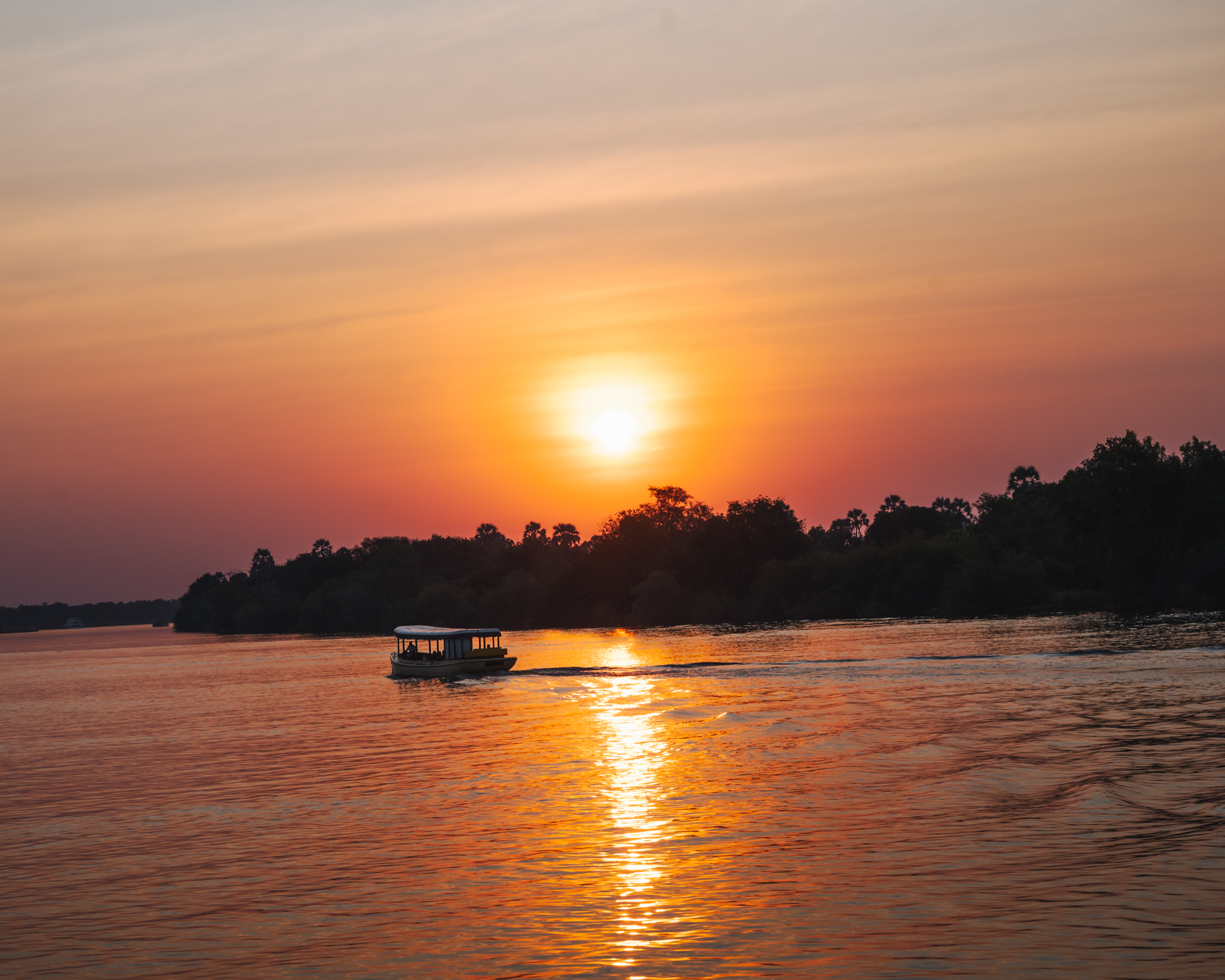
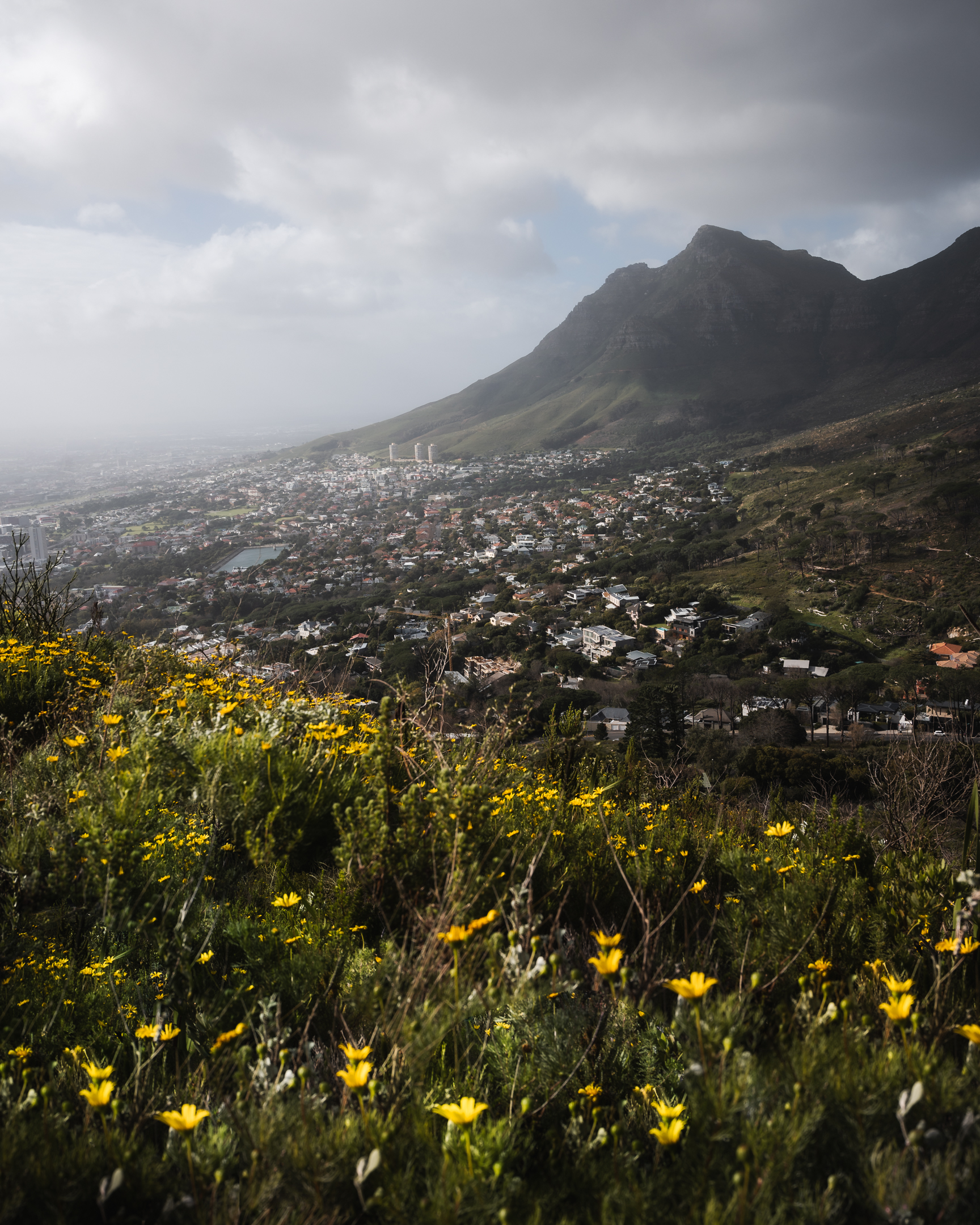
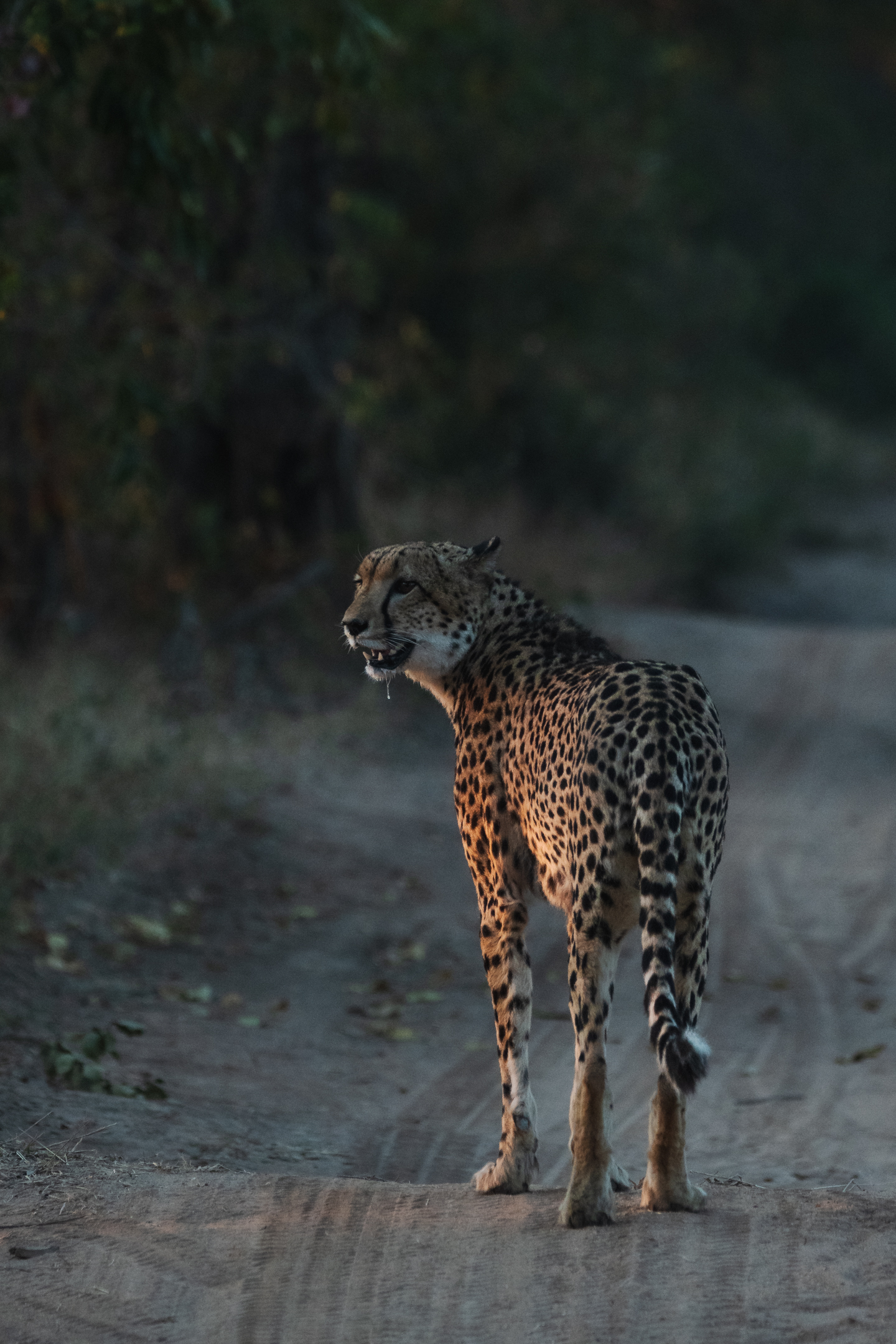
Like so many of Earth’s most majestic places, it’s impossible to do justice to how magnificent Africa is. There’s nothing like the witnessing the panoramic views of Cape Town from the summit of Lions Head, watching a cheetah lope through the bush at dawn, or listening to the roar of Victoria Falls in the distance as you float down the Zambezi at sunset, drink in hand. Throughout our fourteen-day trip with G Adventures, every day exploring this small slice of the continent left me breathless, each moment somehow better than the last.
In this post, I’ll go over why I chose to visit South Africa for my first safari, things to consider before you book your trip, and some of my favorite experiences from my trip to Africa.
Why South Africa?
South Africa has enchanted me for more than a few years. Besides the incredible diversity of wildlife, it has enchanting cities, rich history, and unparalleled natural beauty. Kruger National Park is incredibly popular due to its massive size and high likelihood of spotting the Big Five.
While South Africa does not have the opportunity to see the Great Migration, it does have a remarkable tourist infrastructure, ideal for a first-time safari-goer in terms of cost and number of tour options. But South Africa has more to offer than game viewing. It has culturally significant cities like Cape Town and Johannesburg, a thriving wine region, and mind-blowing landscapes. I wanted to get a little bit of everything on my first trip to Africa and South Africa totally delivered.
When Is the Best Time to Visit South Africa?
Timing your trip to South Africa largely depends on what you want to do and see. Conditions across the country can (and do) vary dramatically. Prime conditions for wildlife viewing in Kruger National Park often mean less than ideal weather for outdoor activities in Cape Town.
Visiting South Africa During the Winter (May to September)
The best time to visit South Africa for safari (specifically the greater Kruger area), is during the winter months/dry season from May to September. During this time, wildlife is easier to spot. There is less vegetation and animals tend to gather at water sources like rivers and watering holes. The temperature is mild, most days are sunny, and best of all, there are few mosquitos. Parks also tend to be less crowded during the low season. This means fewer traffic jams and more opportunities to quietly enjoy wildlife sightings.
On the other hand, winter is not the best time to visit South Africa if you want to explore the full range of activities on offer in Cape Town. May to September is the wet season in this region, bringing wind, rain, and cold conditions. For a New Englander, daily temperatures in the low 50s to mid 60s are quite mild, perfect for hiking in my opinion. But with the wind comes huge ocean swells that make it unsafe to be out on the water. It is not unusual for activities like surfing lessons, paragliding, and ferries to Robben Island to be cancelled. Winter in Cape Town brings more than poor weather though, July and August are peak whale season, with Humpback and Southern Right whales coming to the protected bays along the coast to calve. Another incredible wildlife viewing opportunity if you’re able to get out on the water.
Visiting South Africa During the Summer (October to April)
There’s no bad time for a safari in South Africa but spring and summer signal the arrival of the rainy season. You’ll have to exercise patience waiting for the daily afternoon downpours to pass and work a little harder to spot wildlife in the thicker vegetation. The parks will be more crowded too, especially throughout peak summer season (January and February). But there is much beauty to be seen during this time, wildflowers bloom, migratory birds return to the area and new generations are born. If you’re a birder, this is the best time to book your trip. While wildlife viewing conditions are not optimal, between the baby animals and incredible birding, the Kruger Area still has much to offer.
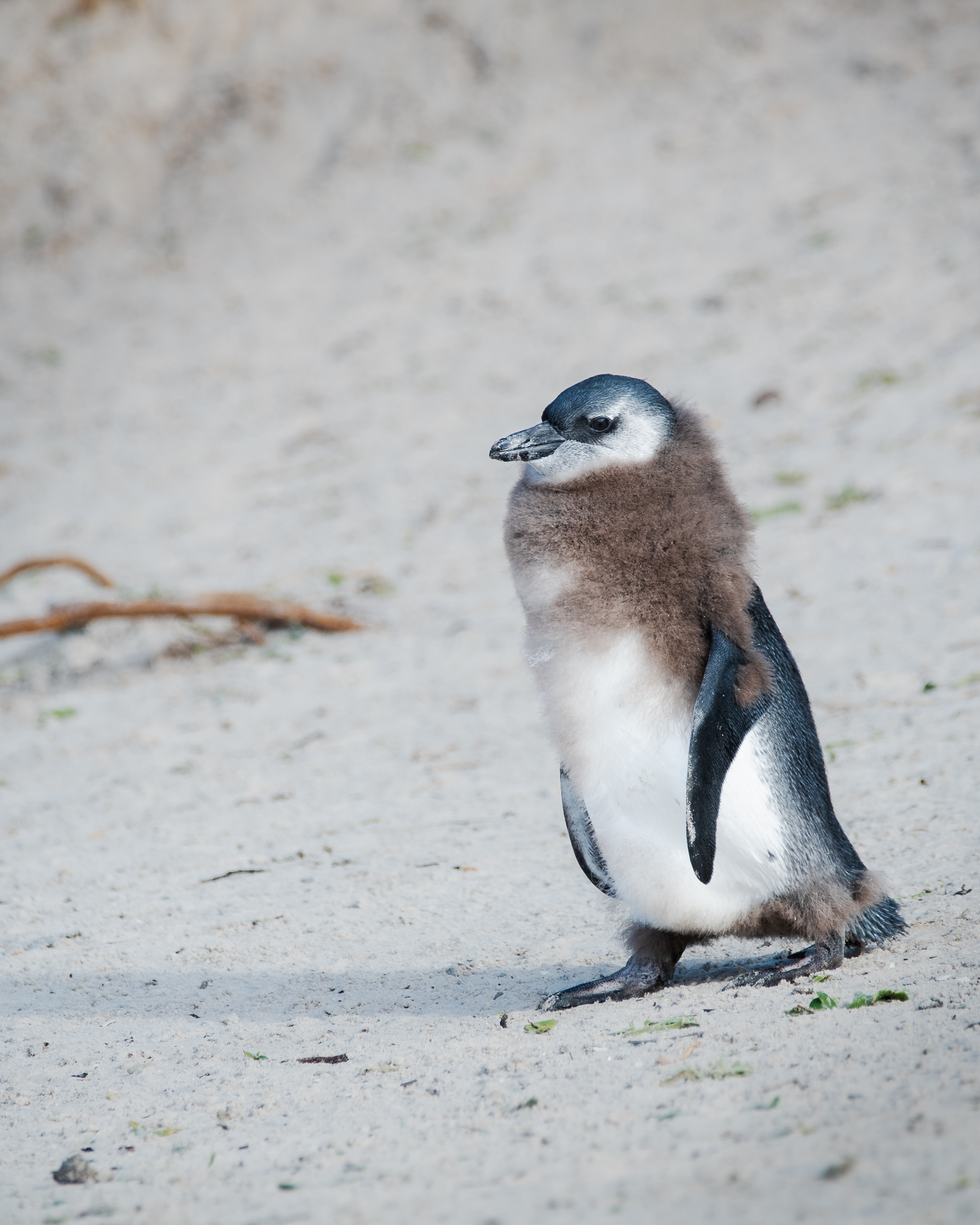
Summer in Cape Town is glorious. The months from October to April usher in higher temperatures and calmer conditions making it the perfect time to experience the best of Cape Town. Hit the beach for world-class windsurfing, ride the cable car up Table Mountain for unmatched views, or dance the night away at one of the many music festivals hosted here annually. Head to Boulder Beach to check out the newly hatched penguin chicks toddling after their parents. Can you imagine anything cuter? Whether you’re hiking to one of the scenic vistas in the area or doing a deep dive into the local restaurant scene, use the long daylight hours to experience as much of this glorious city as you possibly can.
The timing for my trip to Africa
My trip to Africa was from June 17th to July 1st. We had a mix of weather in Cape Town and saw all kinds of wildlife in the greater Kruger area. My main goal was to see as many animals as possible, so I don’t have complaints about when we went, even though most of the activities in Cape Town were cancelled while we were there due to strong winds. Next time around, I’d like to visit during the spring when animals are giving birth to their young – between September and November. It will be the perfect opportunity to revisit Cape Town too as the weather will be mild and the landscape at its most vibrant, carpeted with wildflowers.
How to Choose an African Safari
Narrowing down safari options can be intimidating, dare I say, overwhelming. Your research will inevitably reveal a tremendous number of tour packages in different locations with varying itineraries, activities, and accommodations. So how does one choose?
Ultimately, the best option for your journey will depend on your priorities and preferences. Below are some things to consider when choosing your trip:
Price
African safaris can vary wildly in price so consider your budget when planning your trip. Going through a tour operator can save you the hassle of organizing activities and transportation but will generally cost more money than executing the same trip on your own.
Itinerary
Consider the itinerary of each trip and what activities and sights it includes. Some packages focus on game drives in one area, others include time to view historical and cultural sights. Choose an itinerary that best matches your interests.
Accommodations
What level of comfort do you require on a trip? Can you forgo the amenities of a hotel for a few nights in a tent? Can you handle more than a few hours of driving or do you prefer to fly? Keep these things in mind, the level of comfort usually comes with an increase in cost.
Group Size
Group size is another factor to consider. Large tour buses cannot access more remote locations or unpaved areas of national parks. A smaller tour offers a more intimate experience and can be accommodated at many private game reserves.
Reputation
Online reviews can provide helpful insights into a tour company but they’re not always the most objective source of information. See if they have any accreditations, or if they prioritize working with local communities, businesses, and guides. Expertise is everything so prioritize companies with experience operating in the country you want to visit.
How Much Does an African Safari Cost?
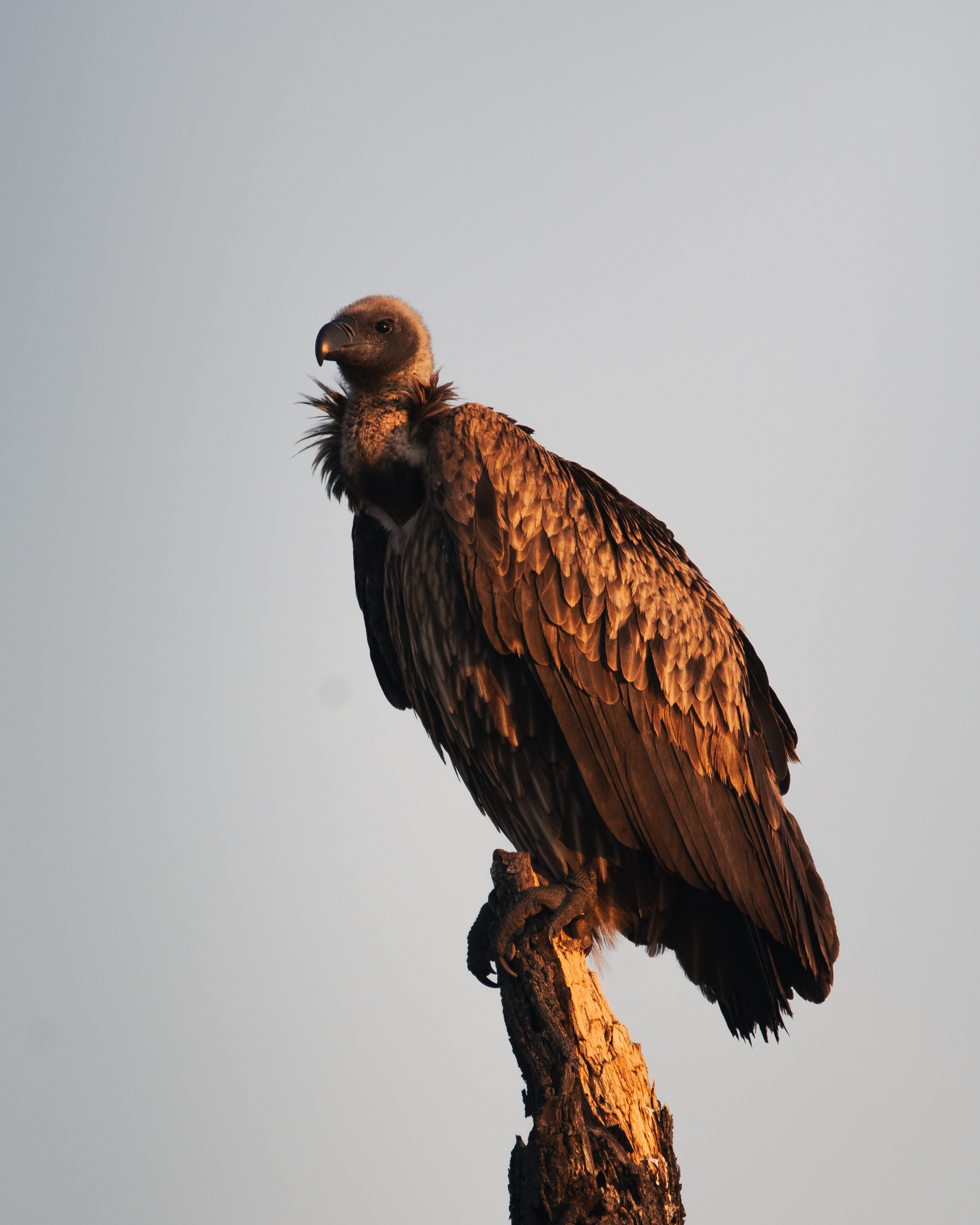
Generally, a trip to Africa can cost anywhere from $2,000 to $20,000 or more per person. Some of the factors include the following:
Location
One of the biggest factors to consider is where you want to go on safari. Some countries have a well-developed tourist infrastructure with plenty of tour operators to choose from, which helps to keep the price down. More remote destinations might only have a few lodges or packages to choose from, which will increase the price.
Remember that many African countries aim to protect these fragile ecosystems. This means safari camps are few and far between. Often, they are small operations with a high staff to guest ratio. Because most are hours away from cities or large airports, all supplies must be trucked or flown in, driving up price even more.
Operator
Different tour companies will have variable pricing structures. Some cater to luxury-seekers, others provide more budget-friendly options. A few do a little bit of both, offering similar itineraries at different price points.
Itinerary
Longer trips with more stops and included activities are pricier than shorter itineraries with fewer excursions.
Level of Comfort
The level of comfort on a safari trip can vary quite a bit. Camping will cost less than stays with amenities like air conditioning, spa services, and fine dining. The mode of transportation matters too. Vehicles with climate control, bigger seats, and more storage (like a mini coach bus) will be costlier than a van of the same capacity.
Activities
More activities mean more money. Free activities are pretty rare but I would argue the type of activity has an outsized impact on cost. Visiting a national park can be minimal in terms of cost but adding guided tours, helicopter rides, or specialty treks will quickly add up.
Time of Year
The cost of a safari varies depending on the time of year, with the high season being more expensive. This can also vary by location, as some destinations are pricier to visit during events like the Great Migration.
Exploring South Africa with G Adventures
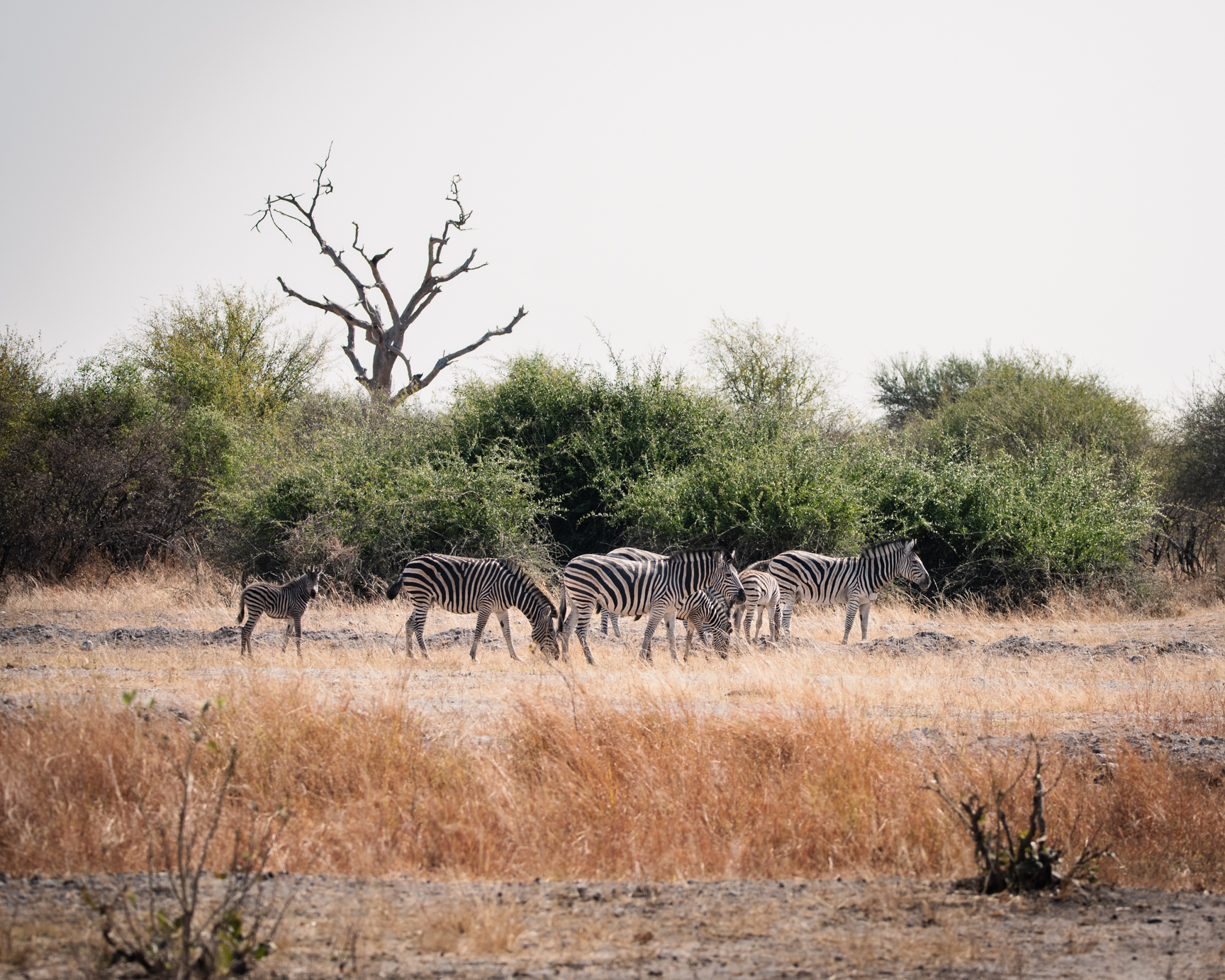
After researching different companies to go with for my first safari, I chose G Adventures and National Geographic Journeys’ twelve-day Explore Southern Africa trip. We added a day onto each end of our trip for a total of fourteen days. The itinerary was the perfect introduction to South Africa and provided the opportunity to visit Victoria Falls. Not only did we get to explore different national parks and historic areas but were introduced to the local communities and culture, a common theme in all of G Adventures’ trips. The experience was everything it promised to be and more!
The small group tours offer exclusive cultural and wildlife experiences. We heard a presentation about efforts to conserve wild dogs and cheetahs from a wildlife researcher working in the area. We also joined a Zimbabwean family for dinner at their home. Though I traveled with six friends and family members, the small group setting made it easy to connect with others on the trip. We forged new bonds over pre-dawn cups of coffee, hours long car rides and a shared sense of adventure.
From the expert safari guides and trackers, to the hospitality at all of our accommodations, to the unbelievable wildlife sightings, every aspect of this trip was once-in-a-lifetime. But it was our trip leaders and drivers who made our trip exceptional, going above and beyond to accommodate us. From providing practical advice (it’s always a good idea to wrap your bag at the airport in South Africa) to answering all of our questions (yes, you really overpaid for that beaded giraffe from the roadside market), our trip would not have been as fun or gone as smoothly without them. I can’t wait to see what the next journey with G Adventures brings.
Highlights from My Trip to Southern Africa
Cape Town
Man, oh man, I love Cape Town. It’s one of the most unique cities I’ve ever been to. Constructed in the valleys between the surrounding mountains, scenic doesn’t even begin to describe this outdoor lover’s paradise. Hiking trails and watersports abound but Cape Town harbors other hidden gems, like an impressive food and culture scene.
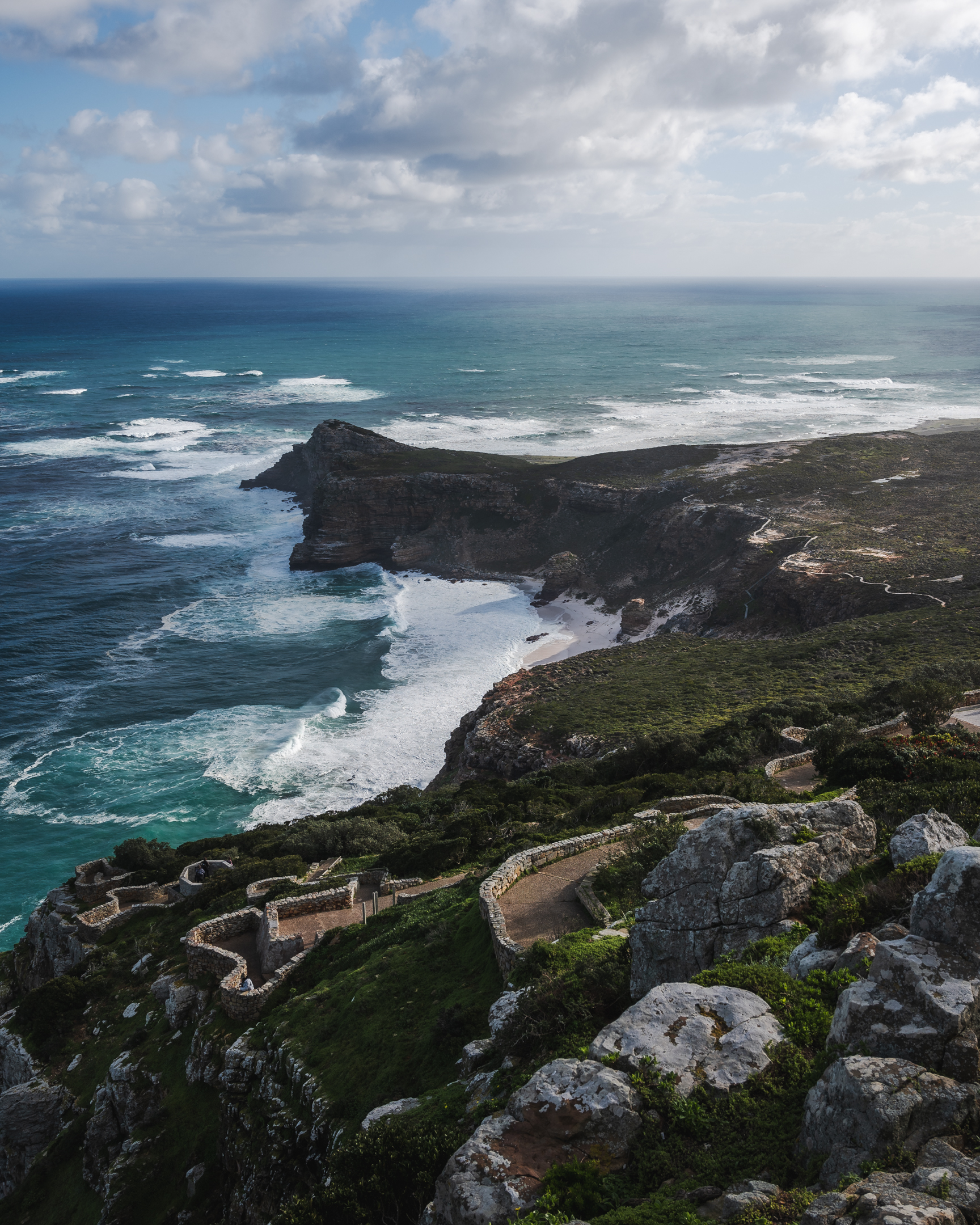
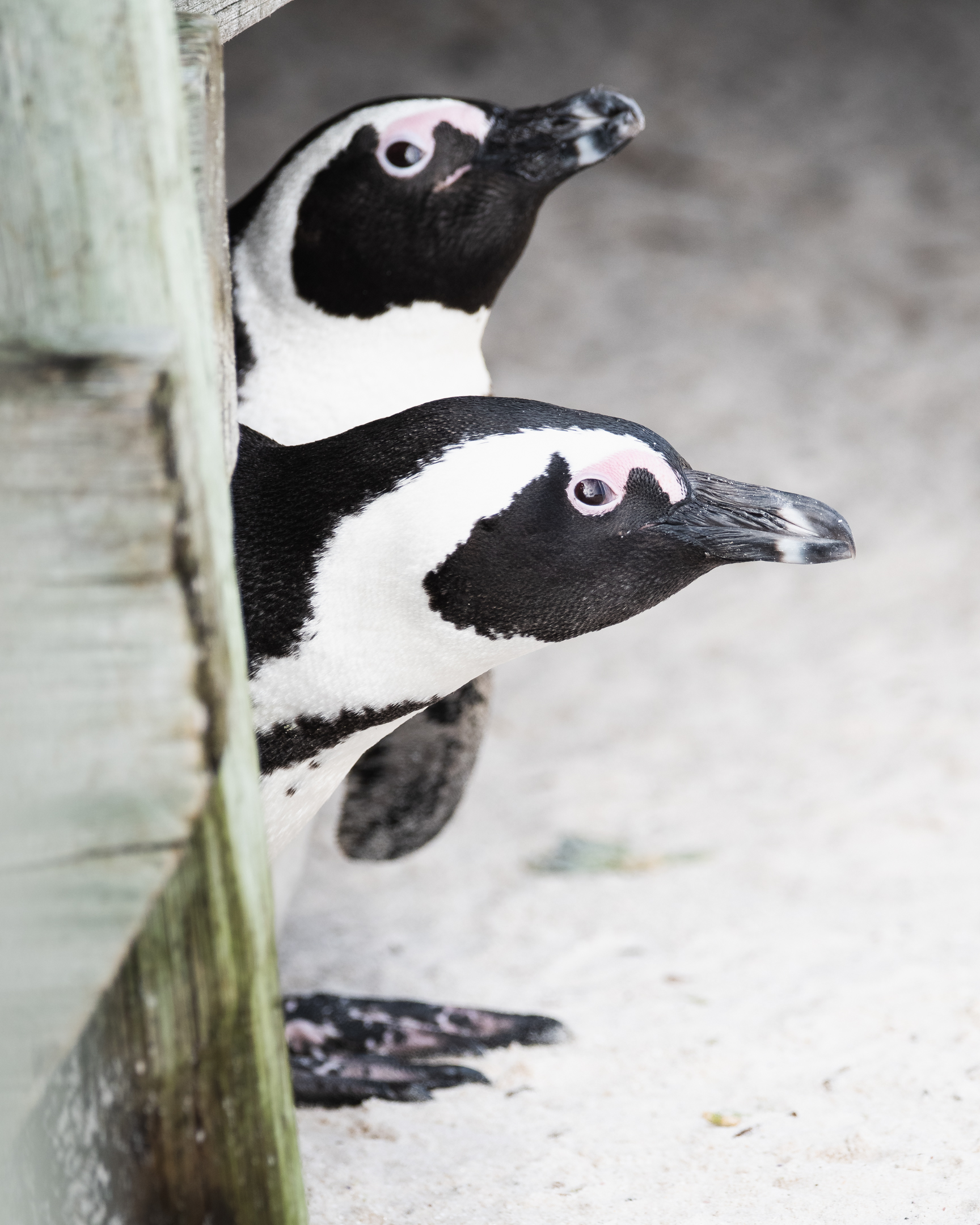
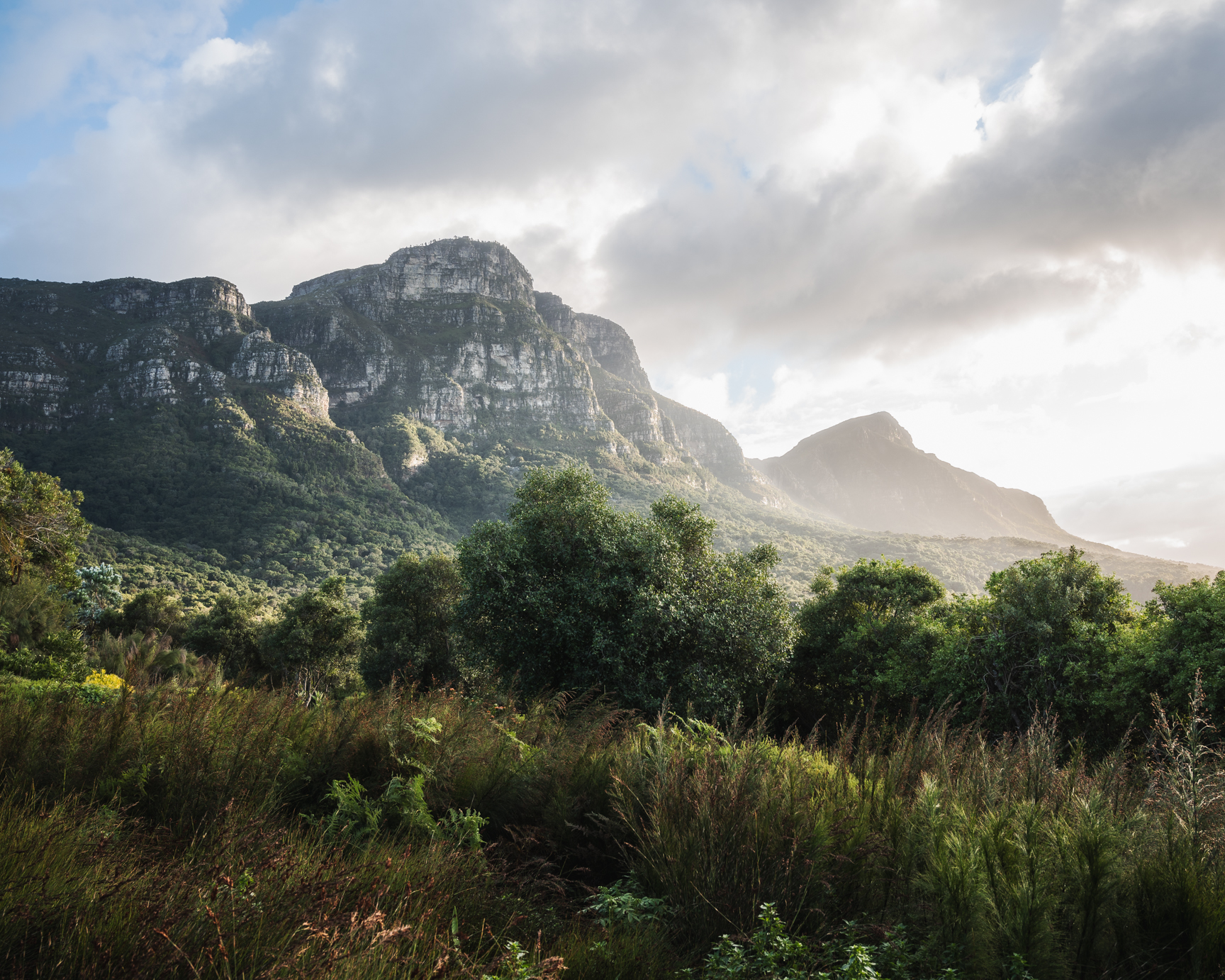
Visit the thriving colony of African penguins at Boulder Beach, the only species found on the whole continent. Admire the views at the Cape of Good Hope, the southwesternmost point in Africa. My favorite was the guided tour of Kirstenbosch National Botanical Gardens (part of a UNESCO World Heritage Site and one of the world’s most magnificent gardens) learning about the incredible biodiversity of the Cape Floristic Region while walking among indigenous plants with our hilarious guide Andrew.
Two days was nowhere near enough to scratch the surface of all Cape Town has to offer but I was captivated nonetheless and can’t wait to return!
Kruger National Park
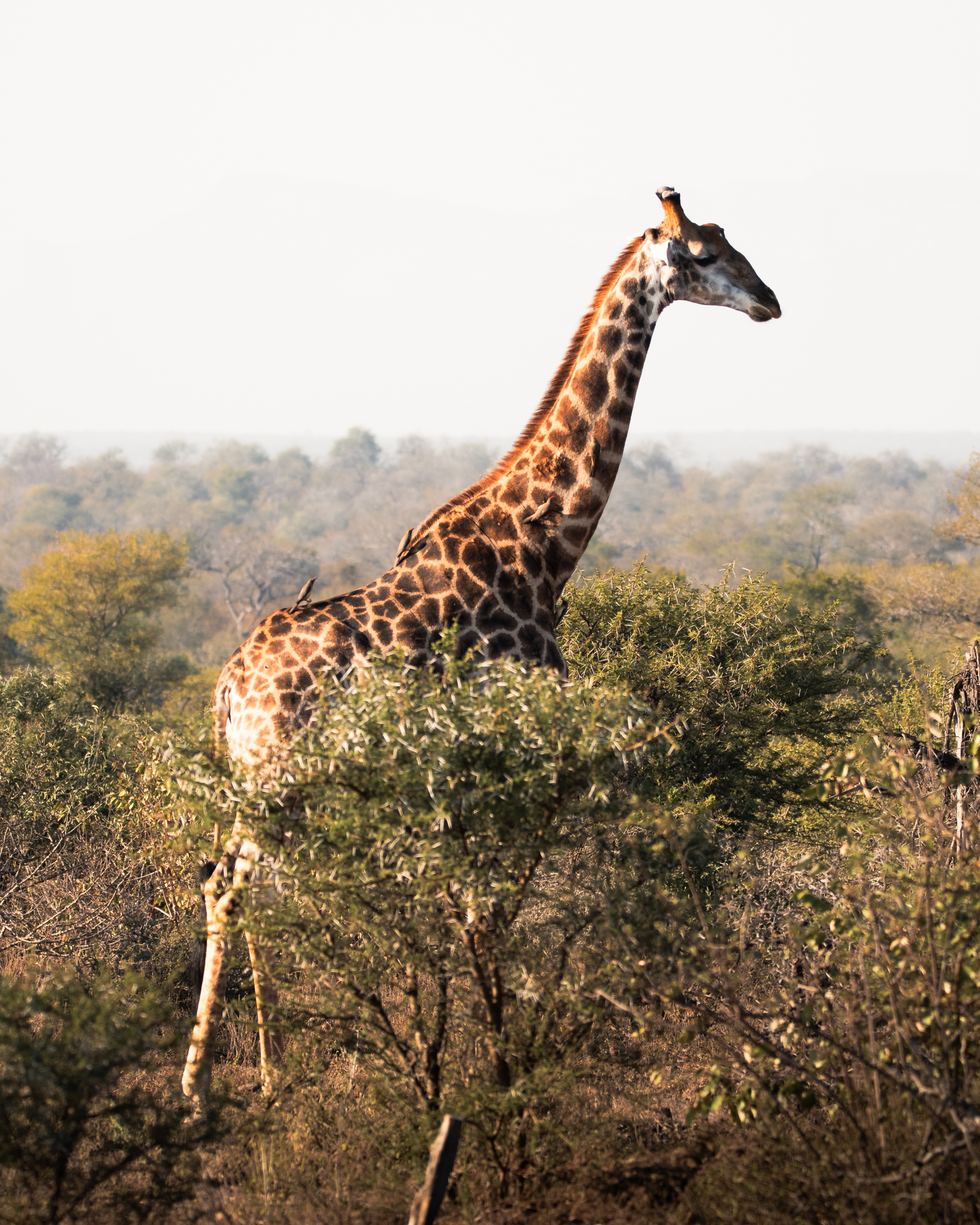
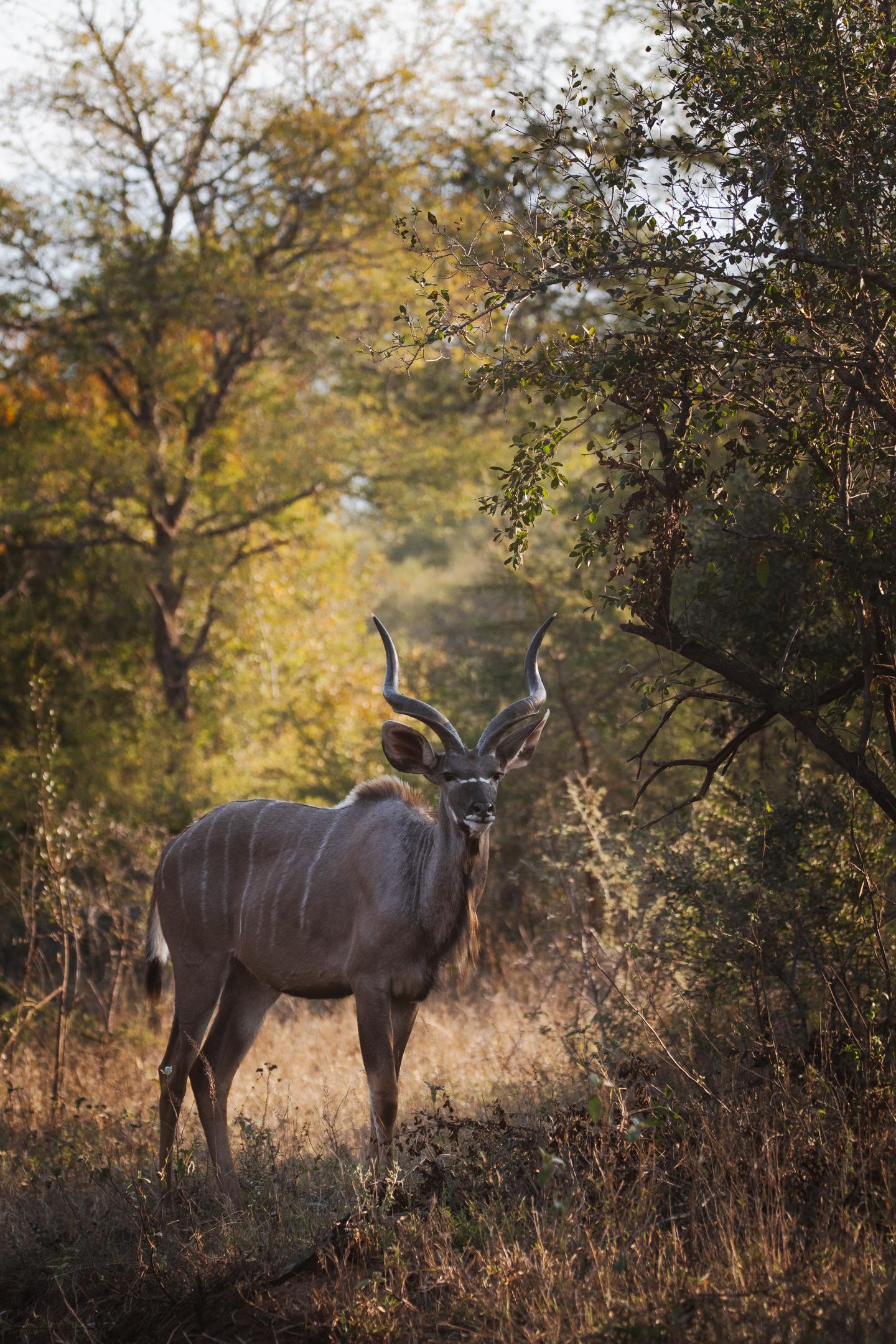
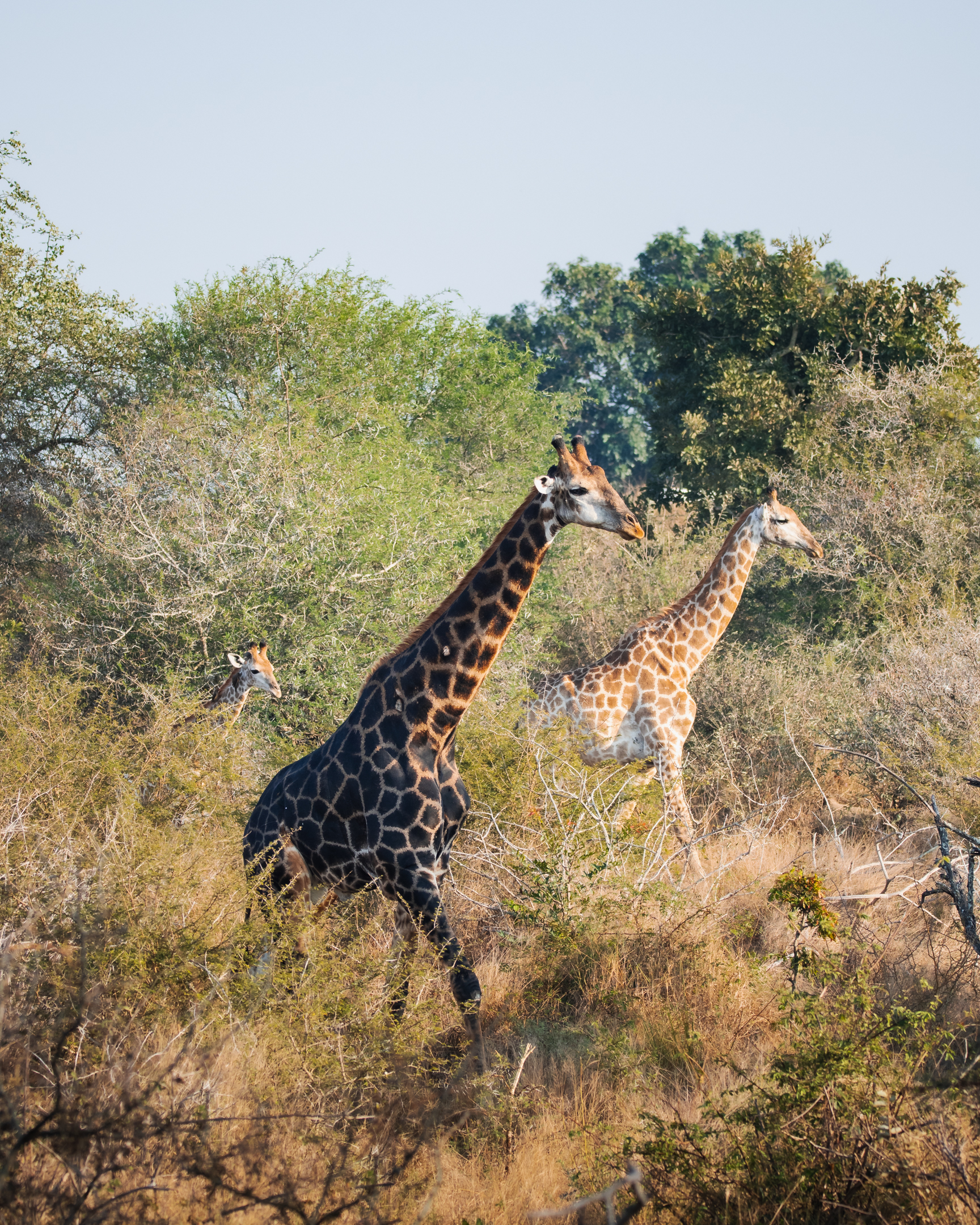
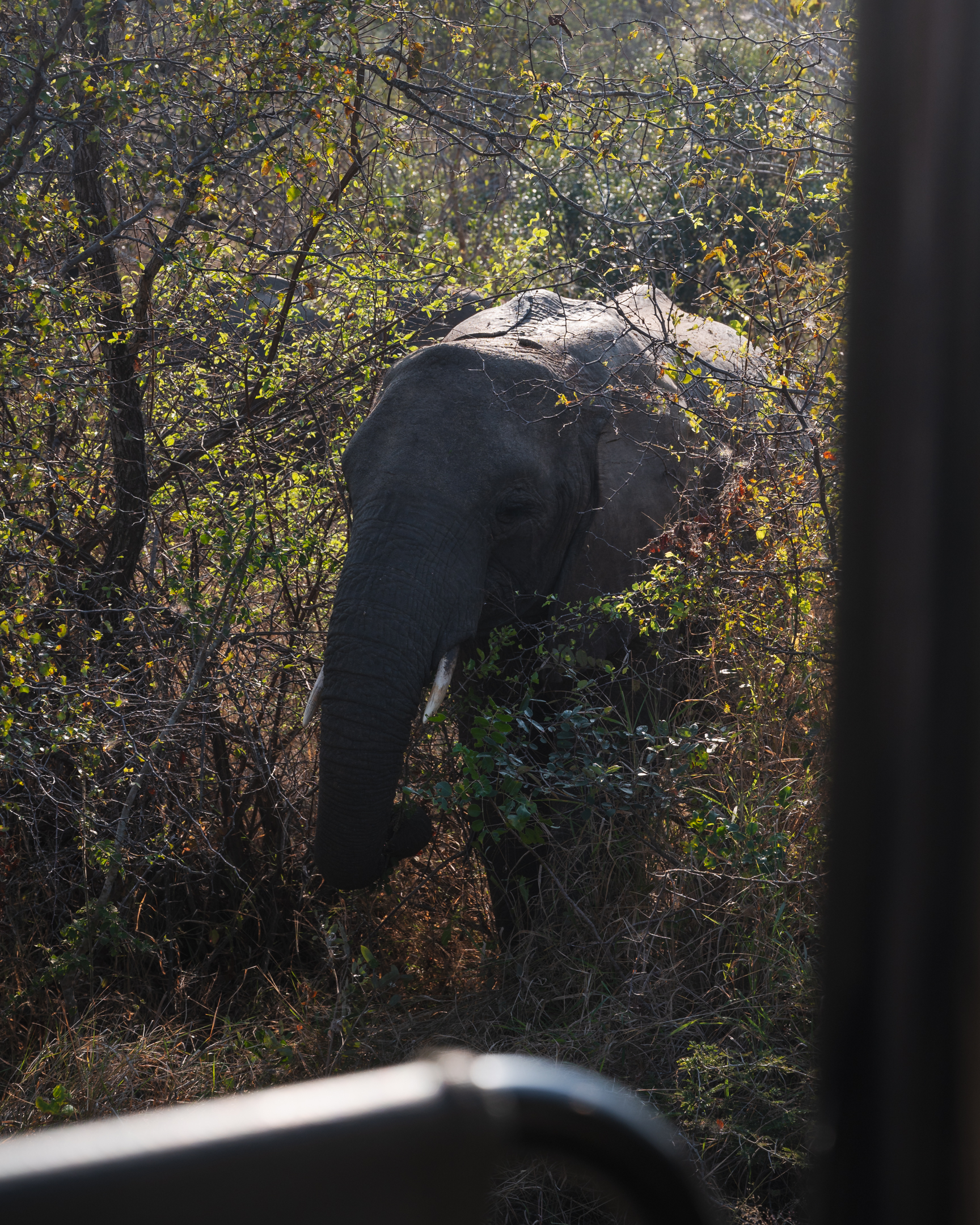
Kruger National Park needs no introduction. One of the largest animal reserves in the world, there are more species of large mammals here than any other park on the continent. With only one full day safari on our itinerary, we had a short time to form an impression. While the paved roads made it incredibly easy to get around, so much space is off-limits to vehicles allowing animals to stay relatively hidden. We had a few memorable sightings throughout the day but I get the feeling you need more time and a slower pace (and a whole lot of luck) to see certain animal species up close. Our day in the park was a wonderful primer but I would love to dedicate three to five days to exploring Kruger on a future trip!
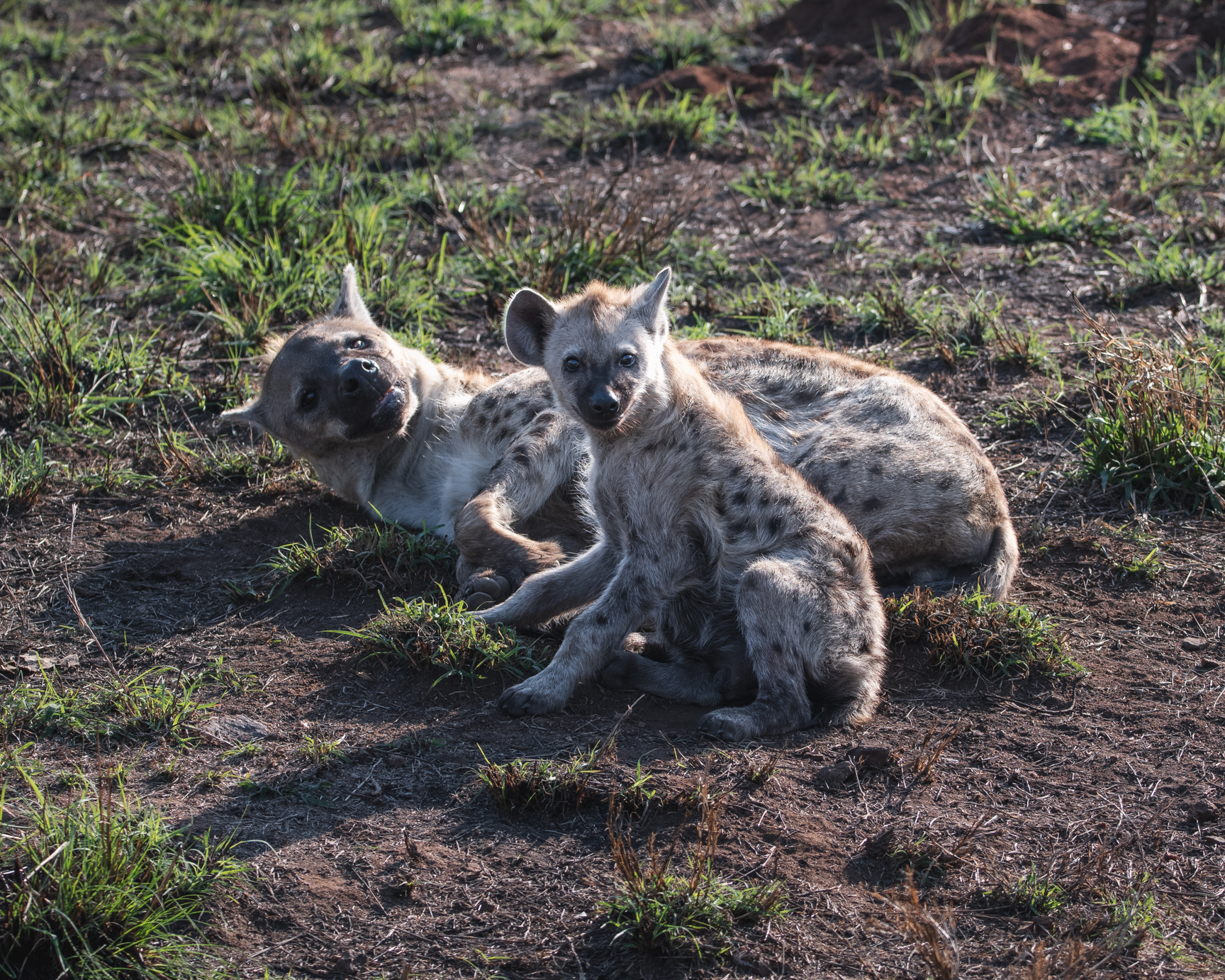
Karongwe Private Game Reserve
For two and a half days we stayed at the Karongwe Private Game Reserve, in the Chisomo Safari Camp, my favorite place we stayed during our trip. A two-hour drive from Kruger National Park, Karongwe offers an upscale safari lodge experience. From the beautifully appointed safari tents, to the on-site spa services and incredible game drives, everything was first rate.
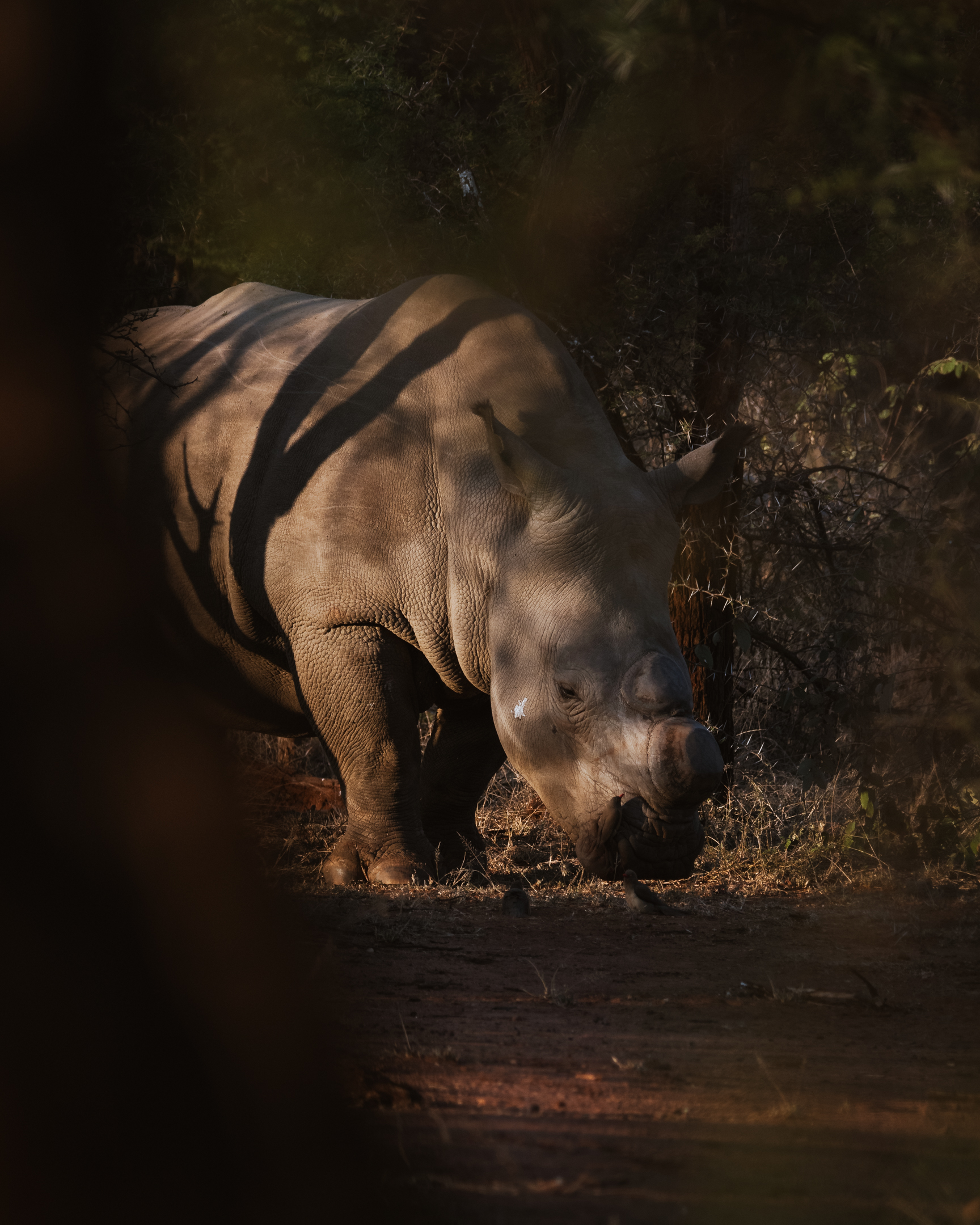
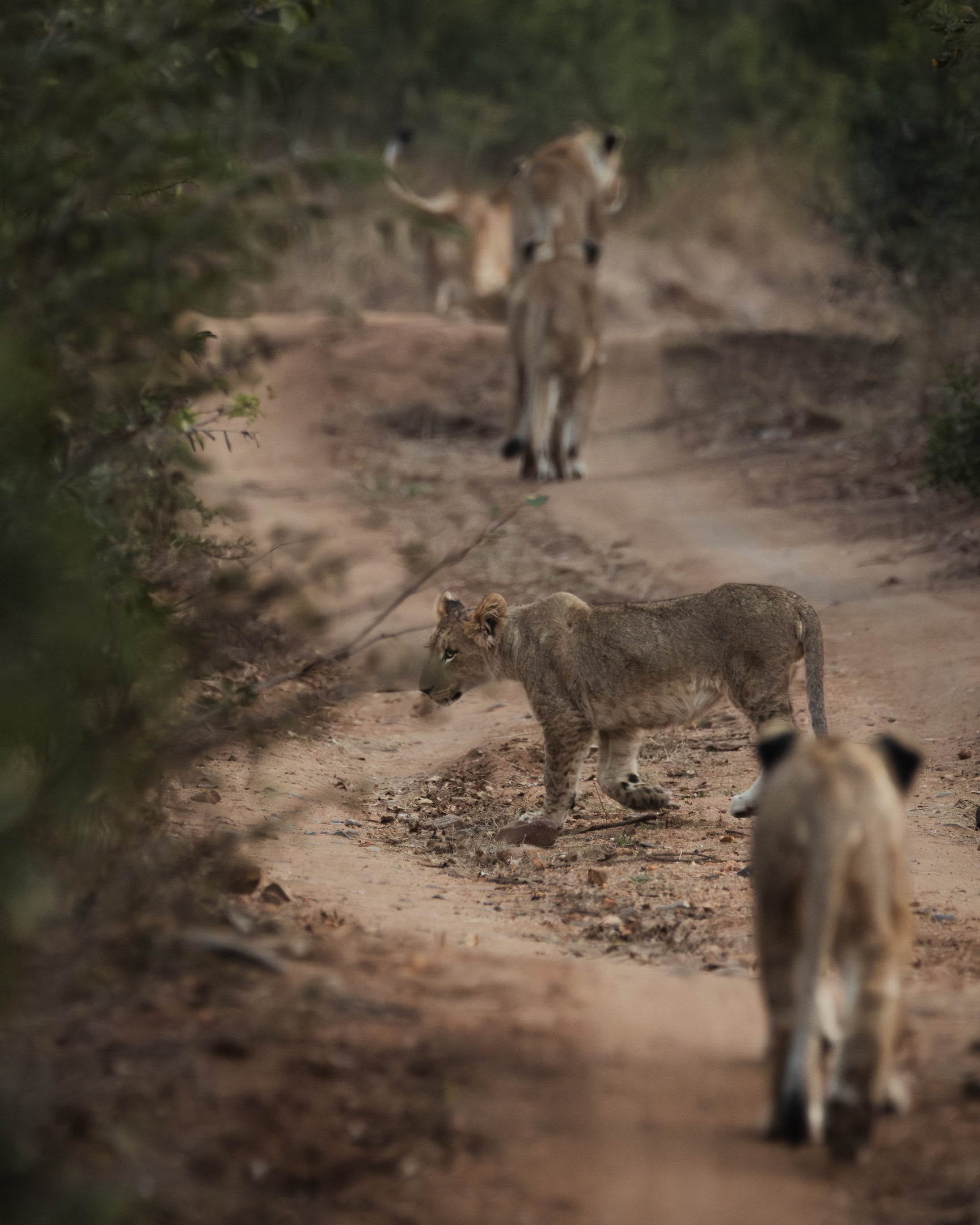
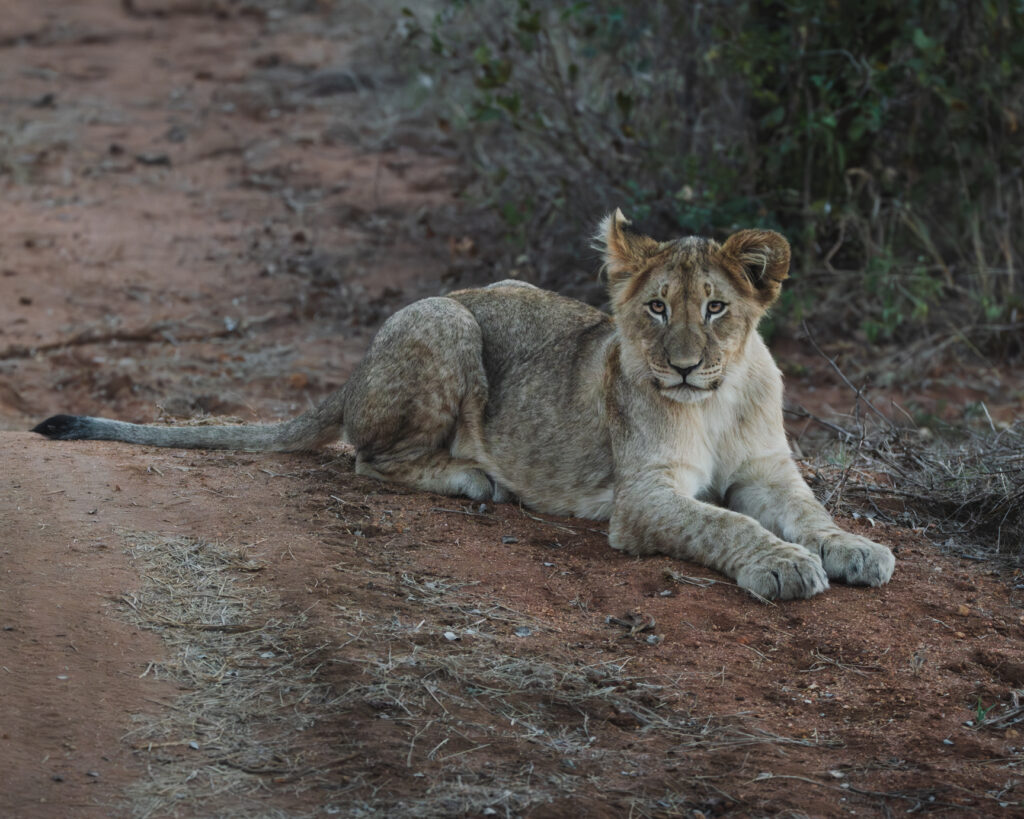
I could go on and on about the wildlife viewing, it was amazing! We had two afternoon and two morning game drives, each more action packed than the next. This was the only place where we had a guide and a tracker. They worked in tandem and with other safari vehicles (by radio) to assess where animals were at any given time. And it paid off, we had more sightings here than anywhere else! You won’t see an animal every minute. In fact, you’ll spend most of the drive on the lookout but it’s all worth it to see a leopard wander out of the bush in front of your vehicle.
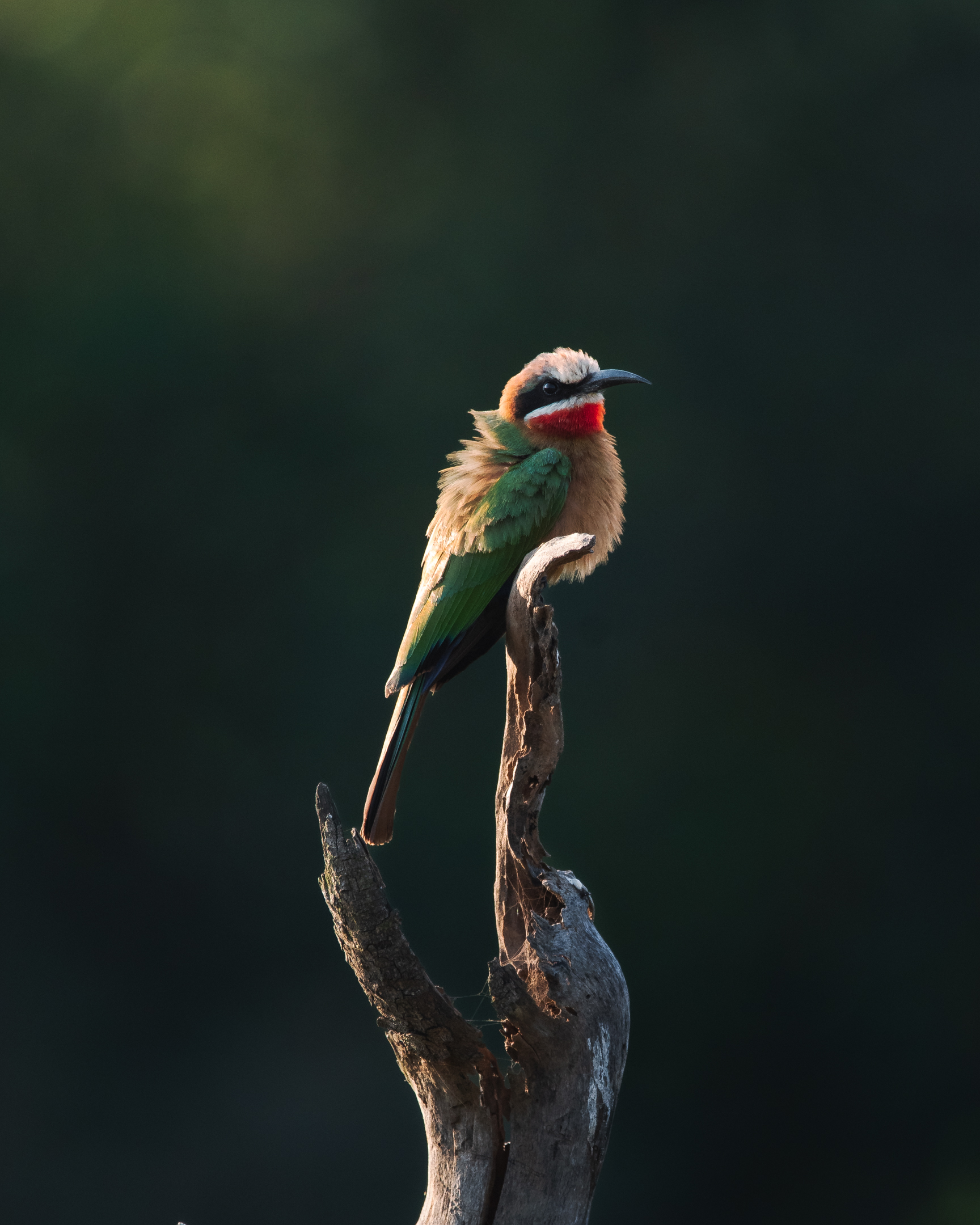
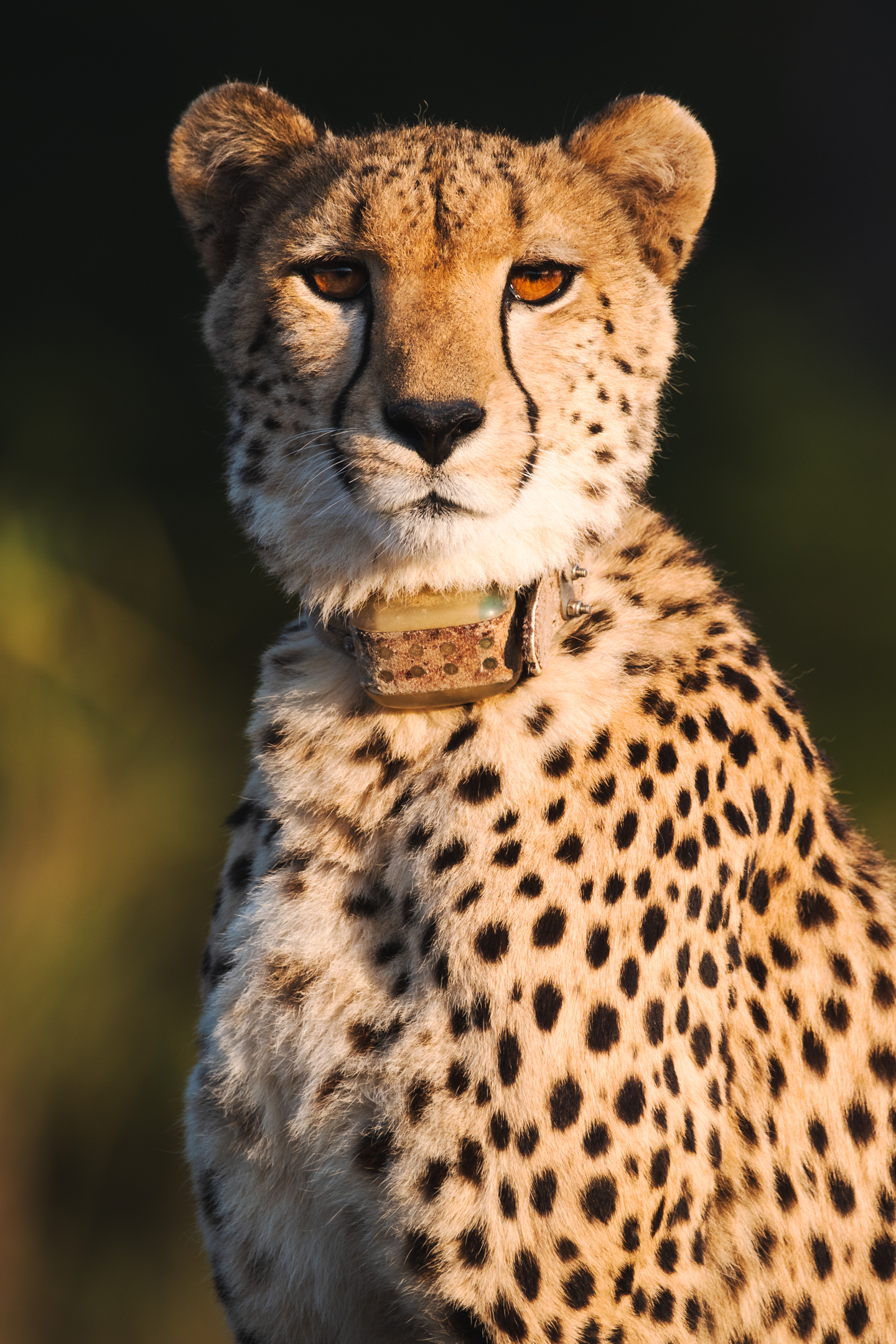
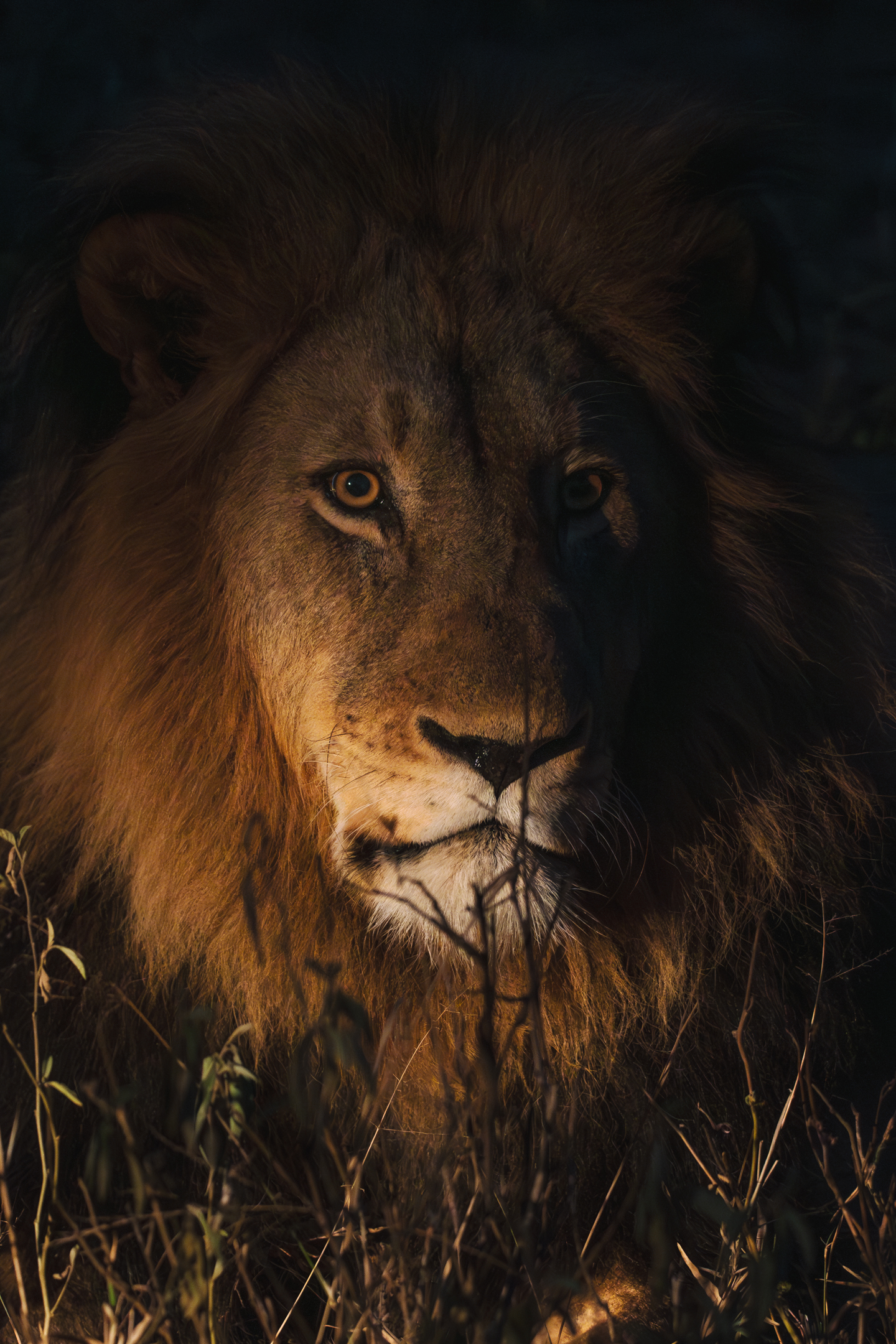
Victoria Falls
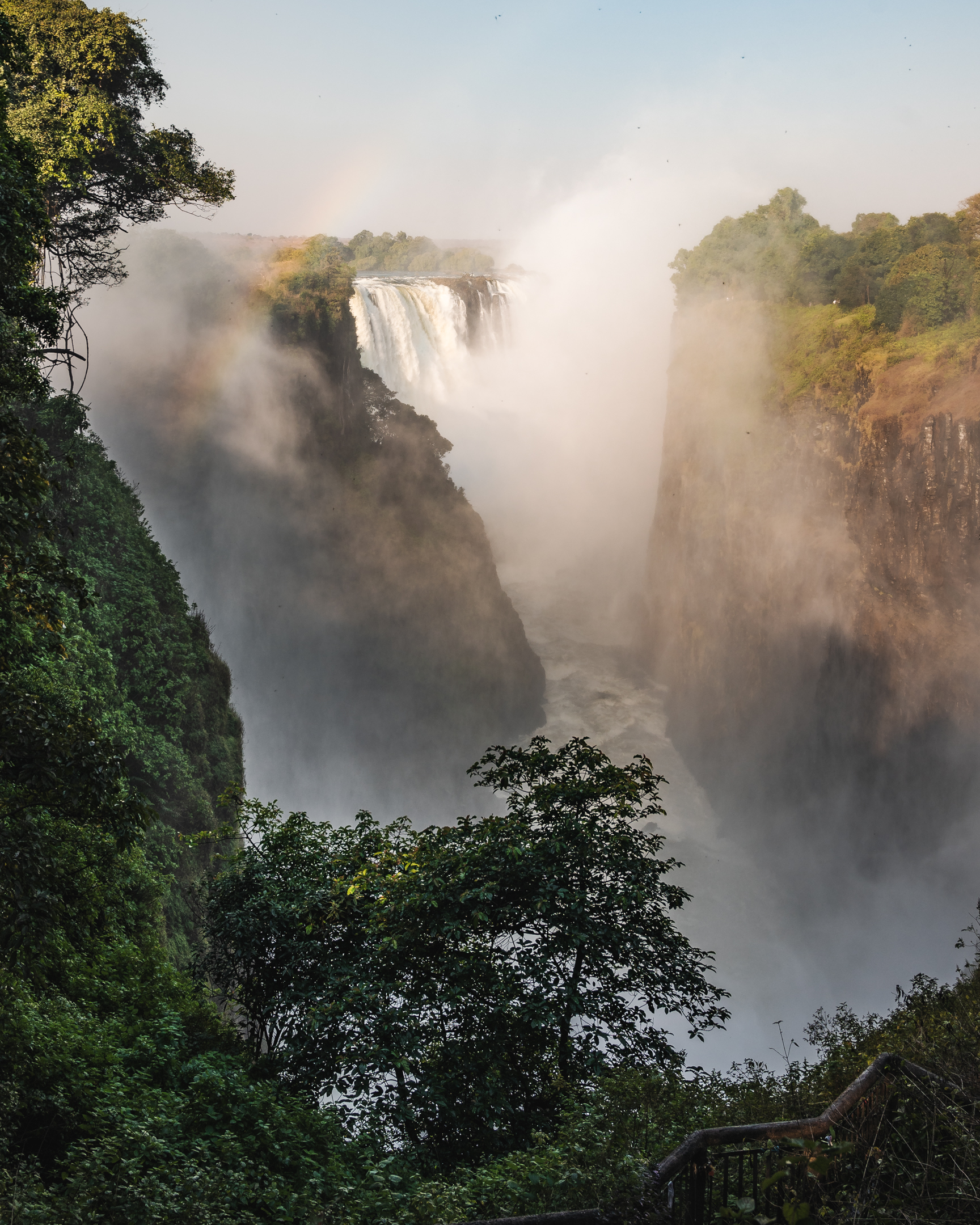
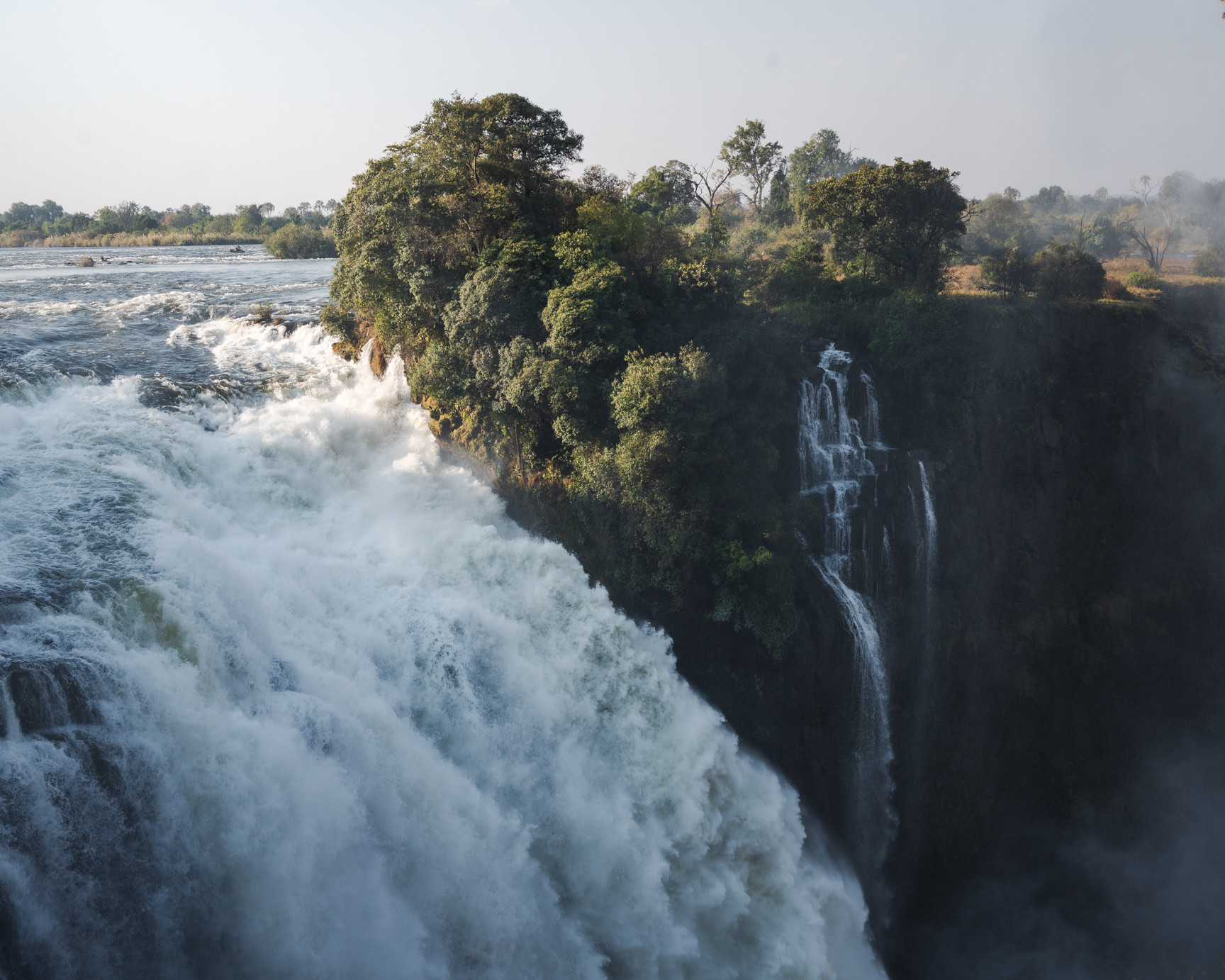
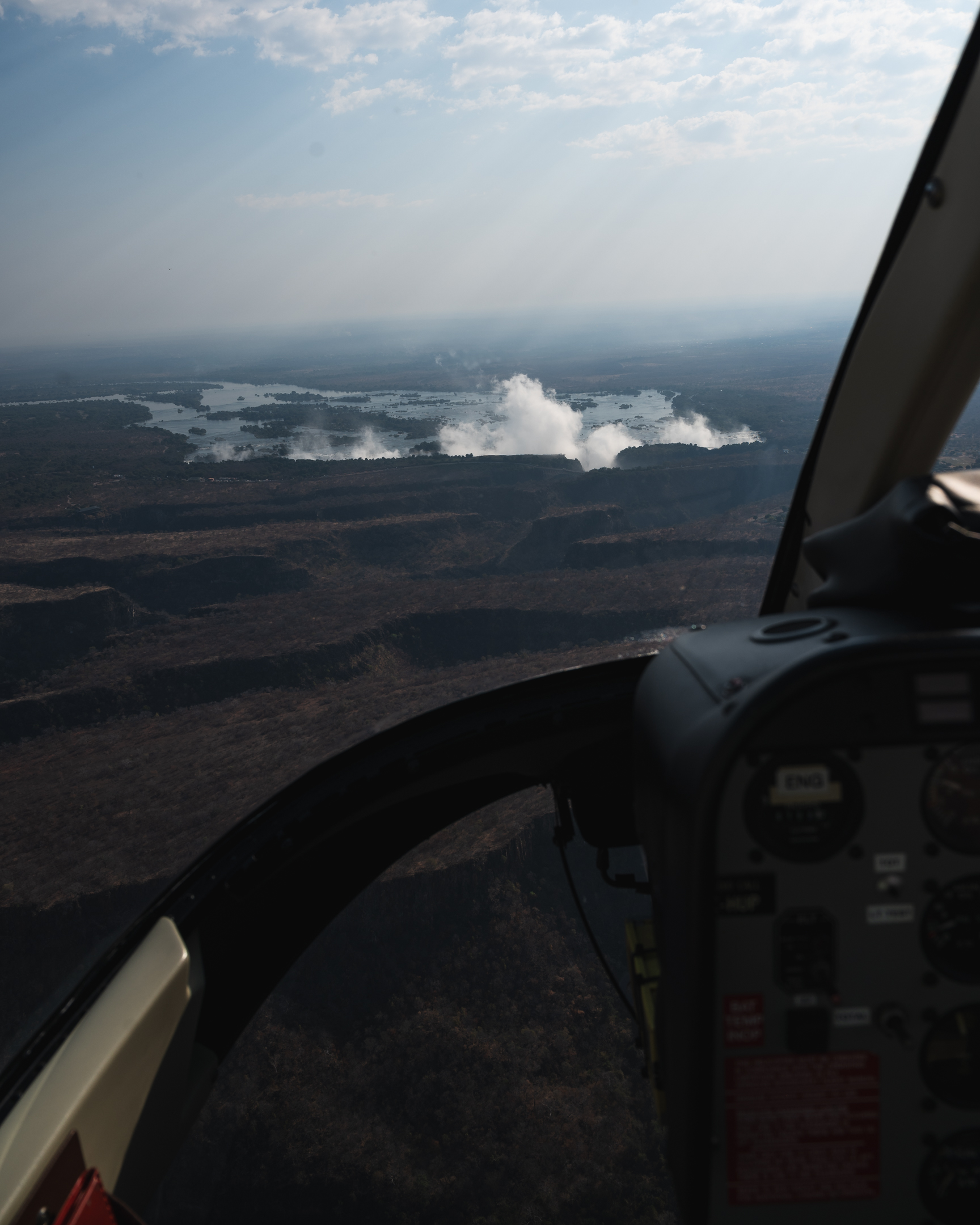
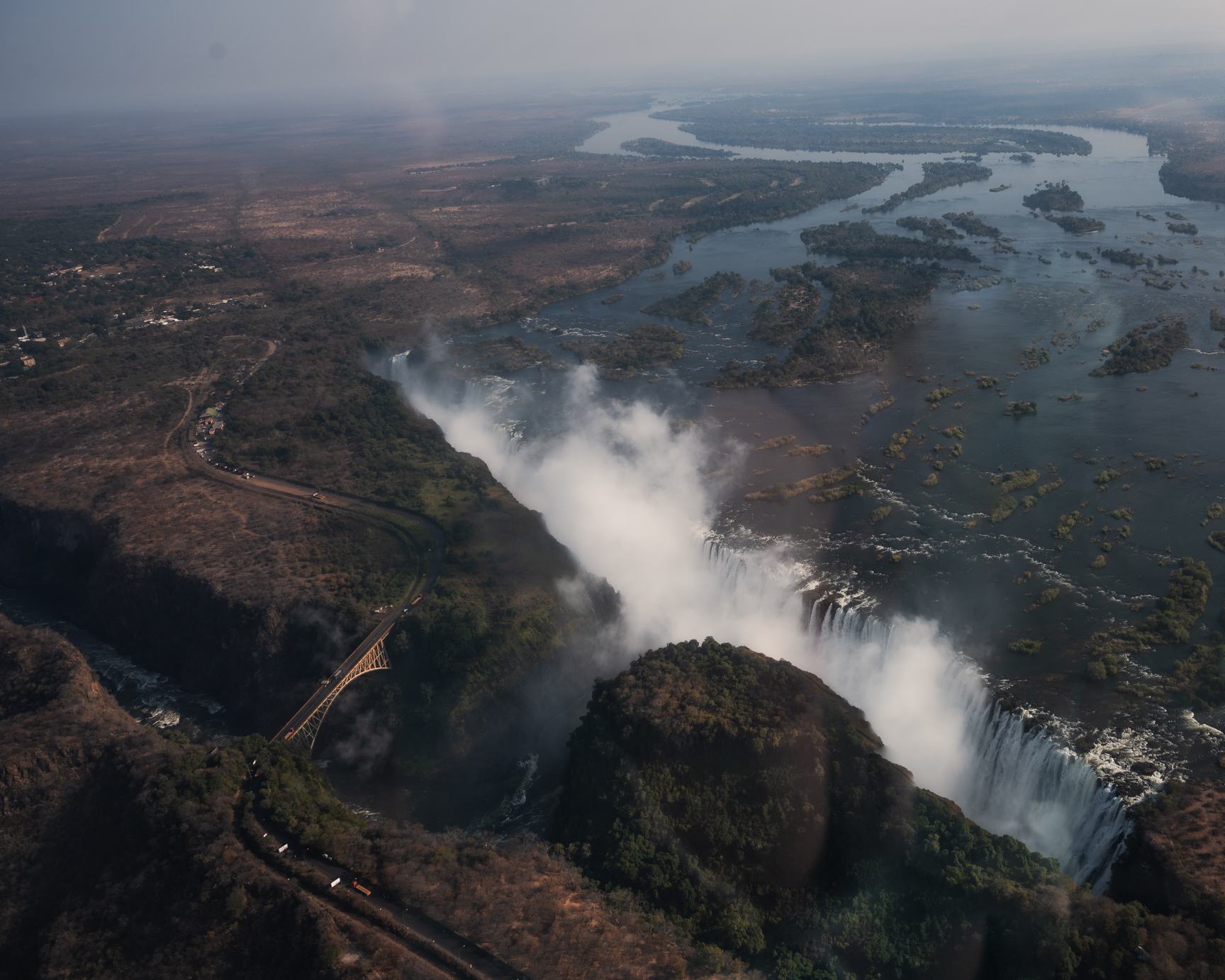
Mosi-oa-Tunya or “the smoke that thunders” is a fitting name for the biggest waterfall in the world. One of the great forces of nature (and a UNESCO World Heritage Site), Victoria Falls is a haven for adrenaline junkies. During the last three days of our trip, we took full advantage of as many heart stopping activities as we could, from exploring the falls on foot (and getting soaked) to jumping off bridges to savoring the birds eye view from a helicopter. This was the launch point for our day trip to Chobe National Park in Botswana, our very last excursion of the entire trip. After all of the magnificent wildlife viewings in South Africa, thrill seeking in Zimbabwe was the cherry on top of a perfect African vacation.
Unmissable Activities on Your African Journey
Visit to the Cape Winelands
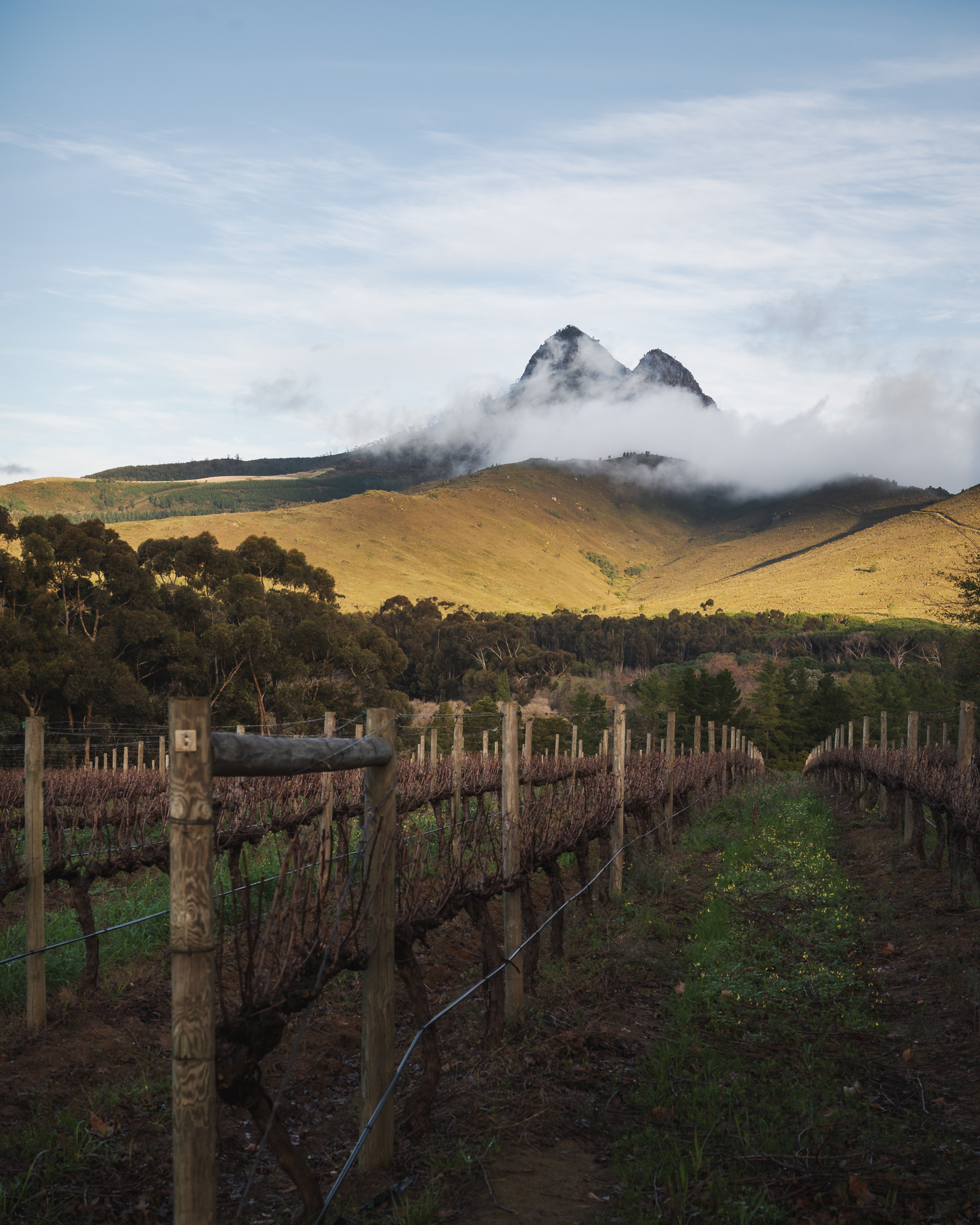
South Africa produces some incredible wines, many produced in its historic Cape Winelands right outside of Cape Town. Even though we only had a few days in the area, how could we miss this? Our first excursion of the trip with Wine Flies was a fantastic introduction to the region. We visited four vineyards in Stellenbosch where we sampled cheese and chocolate pairings and dined on a delicious, hearty lunch at our last stop before being dropped off at our hotel in Cape Town.
Soweto Tour
After touching down in Johannesburg, we made our way to the Soweto township to visit the Hector Pieterson Museum. Named for the 12-year old boy killed by police during a protest march, he became a symbol of the struggle against apartheid. Before departing, we quickly visited Mandela House, a small museum inside Nelson Mandela’s former home. Even though our stopover in Johannesburg was short, the time we spent was well worth it.
Drive the Panorama Route
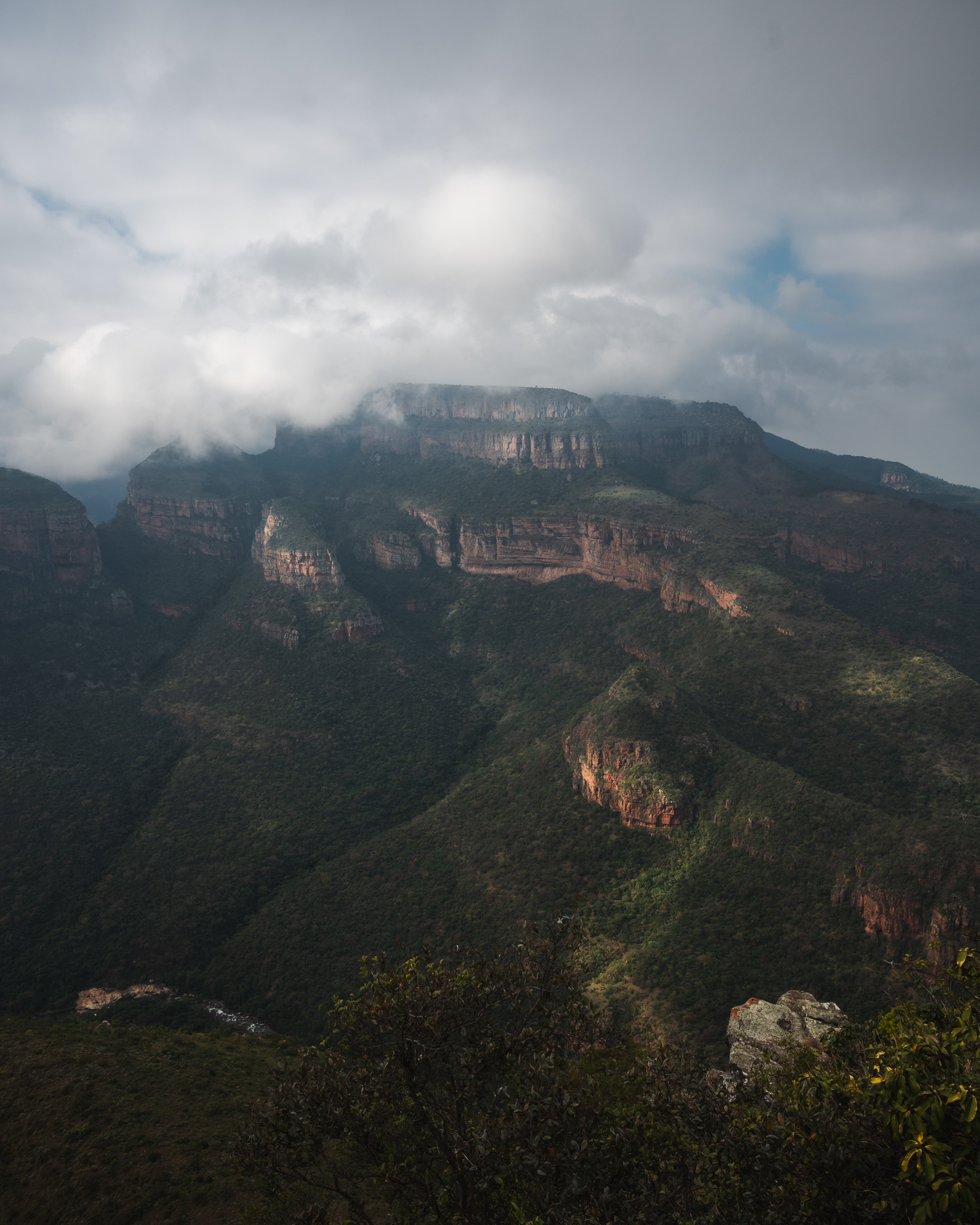
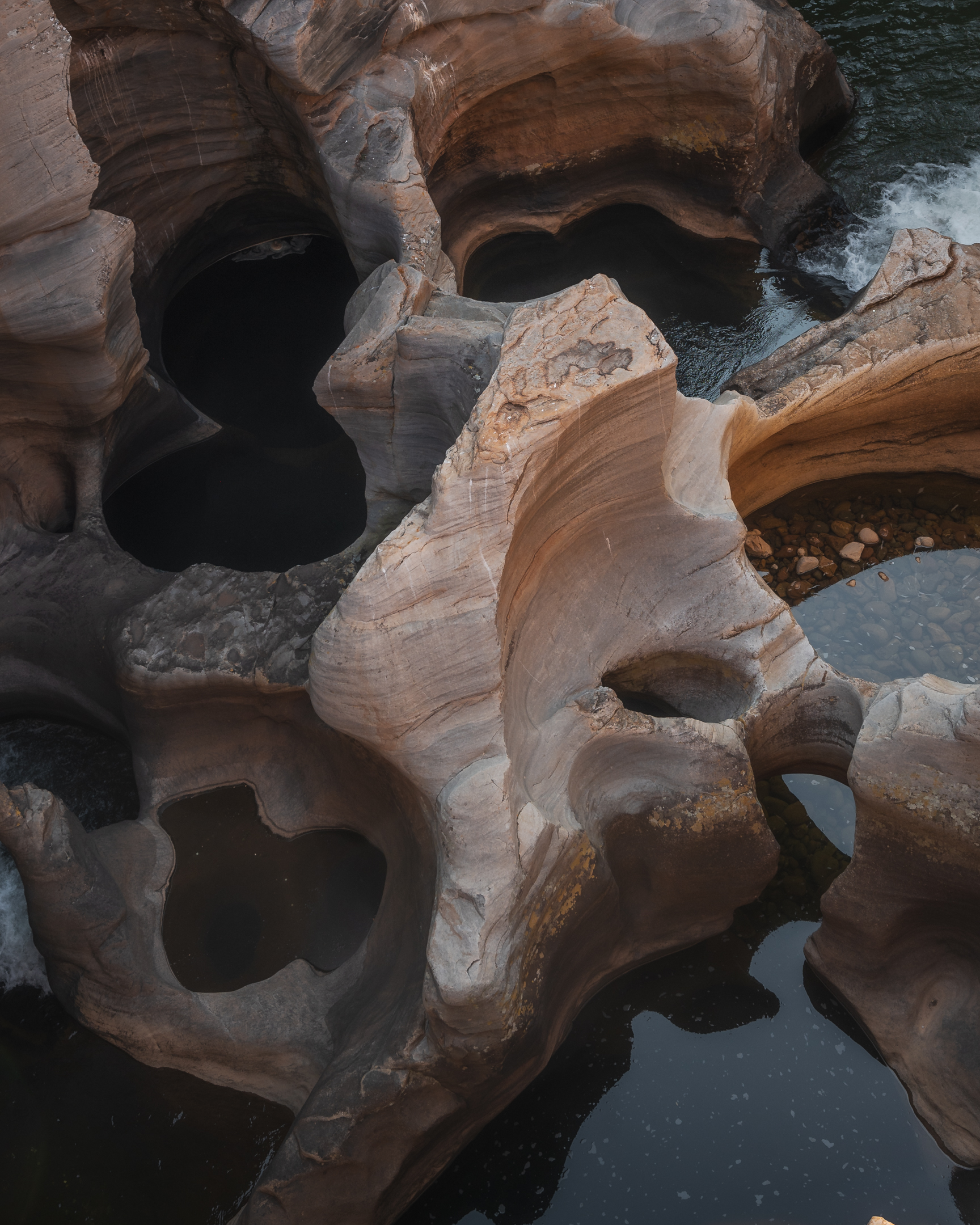
Long and full of potholes, driving the Panorama Route from Johannesburg to Kruger National Park is not to be missed. We marveled at the clouds blanketing the Three Rondavels at Blyde River Canyon and explored the craggy landscape and swirling whirlpools at Bourke’s Potholes. Even though we missed the view at God’s Window due to impenetrable fog it’s not hard to see why this is one of the world’s most beautiful drives.
Helicopter Ride over Victoria Falls
A helicopter ride is a unique way to observe the scale of the falls. It is not cheap but it is worth it to see how massive they are.
Day Trip Safari in Chobe National Park
We tacked on an extra day at the end of our trip just so we could explore Chobe National Park. The borders of Botswana, Namibia, Zimbabwe, and Zambia converge about an hour from Victoria Falls. Crossing into neighboring countries for the day is a breeze. Just make sure to purchase the double entry visa when you first land in Zimbabwe.
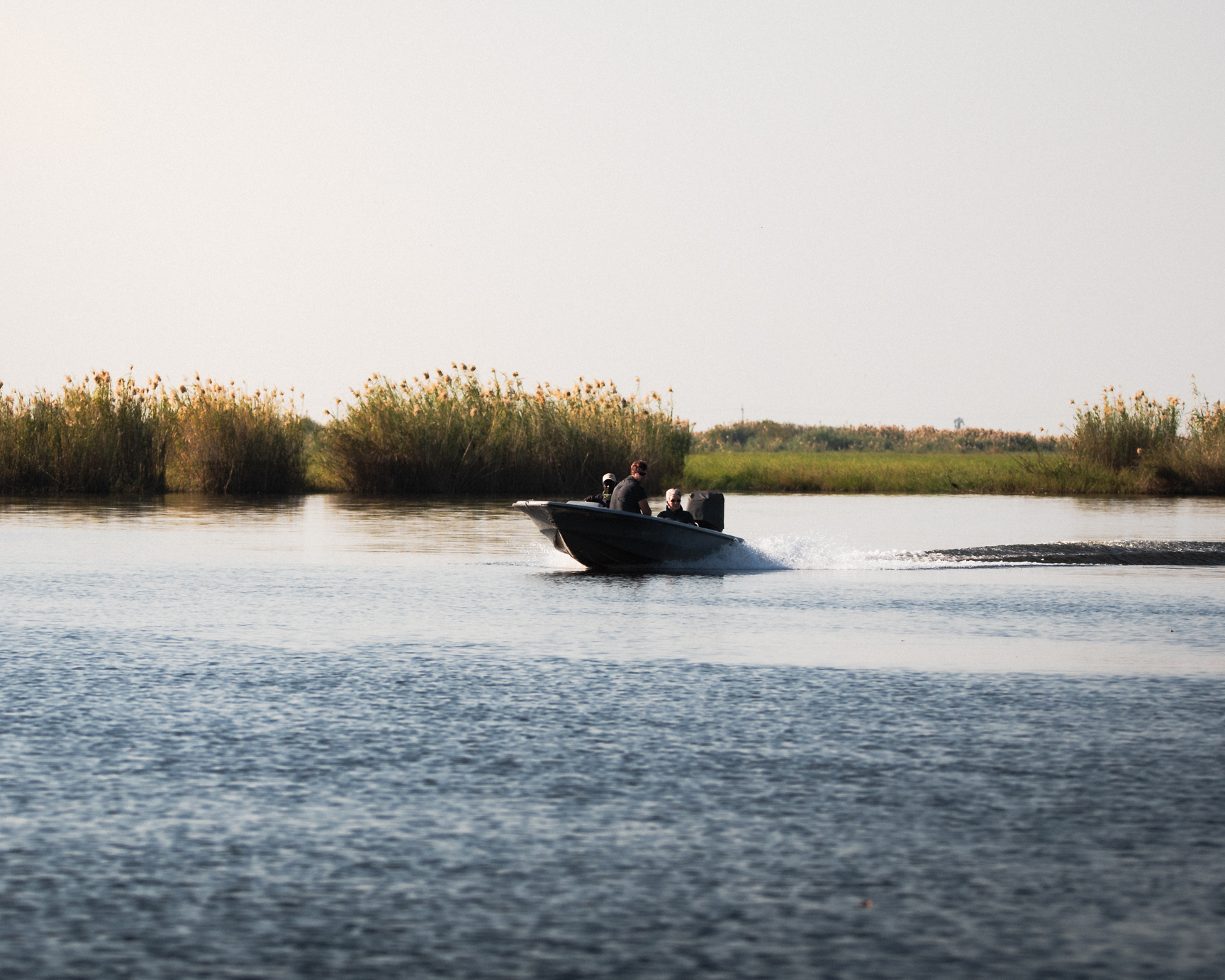
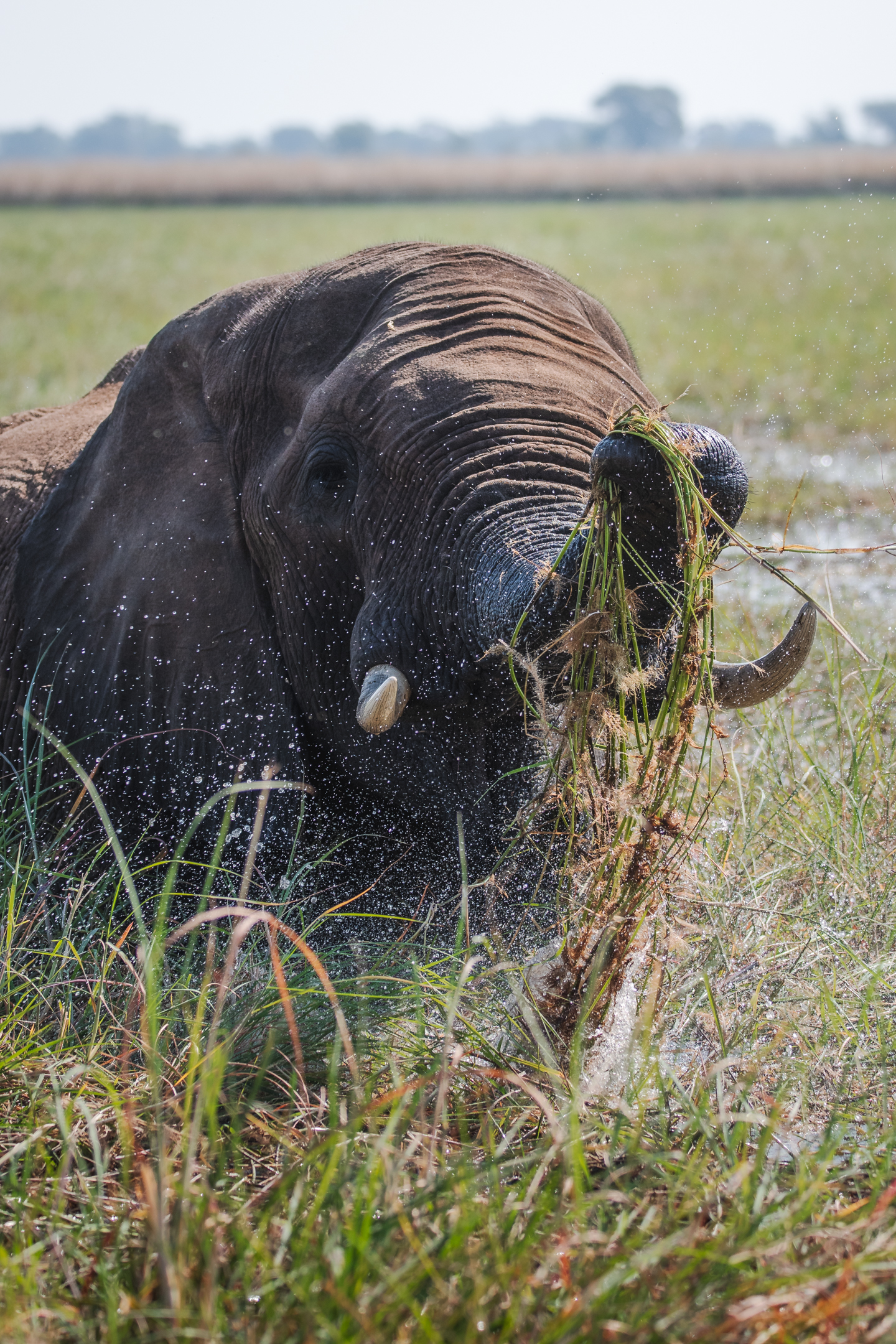
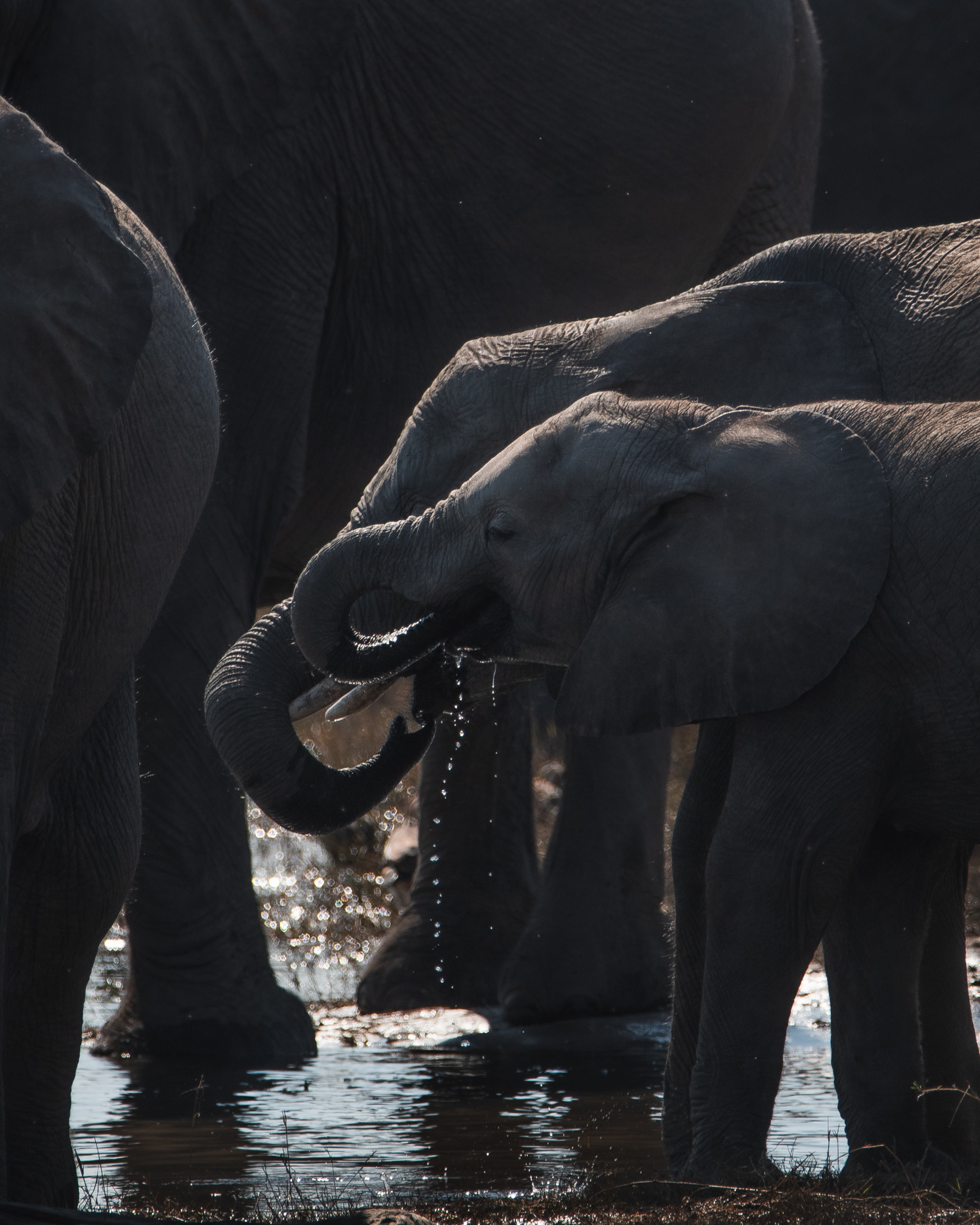
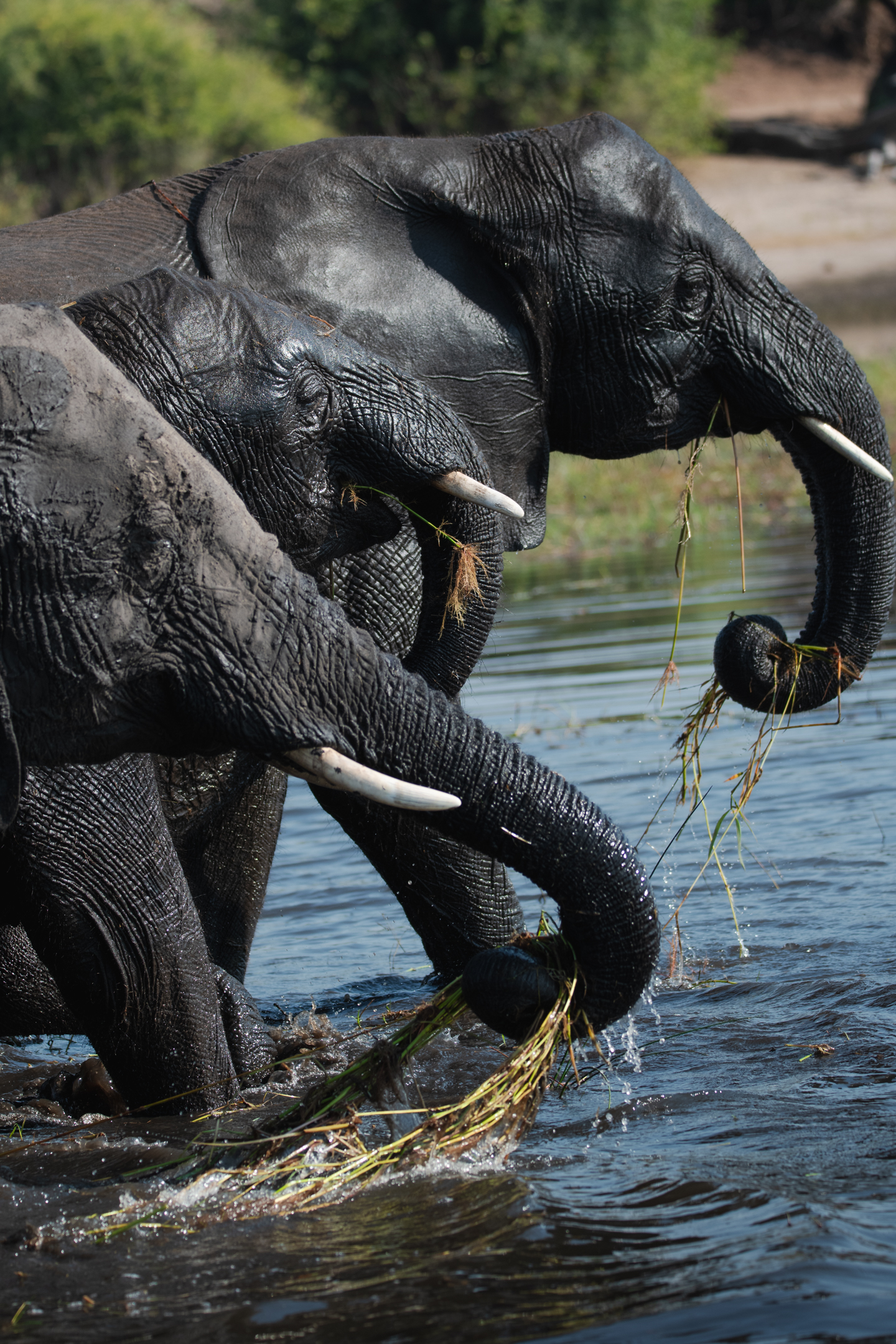
Fed by the Chobe River, Chobe National Park boasts verdant floodplains and grasslands. It was quite a different environment from the dry savannah habitat that we’d experienced for most of the trip. Literally everywhere we turned there were animals! The afternoon boat safari was incredible. We saw huge gangs of buffalo crossing the river with their young, bloats of hippos lazing in the mudflats, and herds of elephants feasting on river grass. The elephants were so close to the boat, you could see the wrinkles of their skin and hear them chewing the vegetation they pulled from the bottom of the river. It doesn’t get better than that.
What to Pack for A Trip to Africa
Comfort (and convenience) is key on safari
Whether you’re on a full-day game drive or traveling between destinations, many of your days in Africa will be long. Think about how your clothes will feel after 12+ hours and ditch anything that can’t be worn for that long. Even the most luxurious accommodations have a laid-back dress code. Dress shoes and fancy outfits are just going to take up precious space in your suitcase.
Getting in and out of the safari vehicle, driving along dusty roads, and warm temperatures all but guarantee your clothes will get sweaty and dirty, even if you’re careful. Pack clothes that won’t wrinkle easily and are simple to wash and dry (think quick dry fabrics). Hiking boots are not required. A sturdy pair of sneakers will work just fine provided you can walk around in them all day. Depending on how long your trip is, repeating outfits is a given. Only bring clothing that can stand up to multiple washes and days of wear.
Neutral is the name of the game on safari
On safari, you want to blend in with the environment. Stick with lighter shades of beige, grey, and brown. Avoid heat absorbing colors like black and dark blue. These will attract biting insects like flies and mosquitos that can transfer parasites and diseases.
When selecting neutral garments, camouflage print is a big no-no. In some African countries, camo print clothing and apparel (like backpacks) are banned for non-military purposes. As of this writing in 2024, the law applies in Ghana, Nigeria, South Africa, Uganda, Zambia, and Zimbabwe.
Layers, layers, layers!
Depending on the season, early mornings and late afternoons out on safari are likely to be chilly. But by mid-day, it can get quite hot. It’s a good idea to wear lightweight layers. Ones that will keep you warm in the morning but can be removed throughout the day as conditions require. While it might be tempting to strip down to a tank top during the hottest parts of the day, you’ll want to stay covered up to prevent sunburn and bug bites.
Limit your electronics on safari
You will undoubtedly want (and need) to bring some electronics on your trip. I know I would have been lost without my Kindle on those long travel days. Many tented camps use off-the-grid electrical systems and don’t have the capacity to support heavy-load devices. You’ll want to leave your hair dryer at home, or you’ll blow the power to the entire camp.
Frequently Asked Questions About African Safaris
What vaccines and medications will I need for my safari?
This is dependent on where you are planning to go. Not all primary care doctors provide destination specific care but will refer you if needed. Leave enough time before your trip to set up the appointments (I set mine up 2-3 months before my trip). Bring a list of the destinations to the appointment and the doctor can identify if any necessary immunizations.
For my trip, no vaccines were required. The doctor recommended I get vaccinated for typhoid (there is a risk of transmission by ingesting contaminated food or water). Antimalaria medication is a must for the entire continent regardless of the season. And a prophylactic AZ pack is generally a good idea (in case you get traveler’s diarrhea).
Do I need a visa?
Visa requirements vary widely across Africa, depending on which country you’re entering and which passport you carry. Before departing, make sure you check the entry requirements for each country you’re visiting and obtain visas if necessary. The US State Department is the official source for this information but most tour companies like G Adventures will provide search tools on their websites.
Can I expect the comforts of home on safari?
This can depend on where you choose to stay on safari and what you consider the comforts of home. Most lodges and hotels have en-suite bathrooms and showers, wi-fi, and a laundry service. If you camp or stay at a hostel, you’ll likely have shared facilities. In more remote regions, wi-fi or phone reception can be spotty or non-existent.
The one thing that stuck out to me was the “load shedding” (power cuts) in South Africa. Many lodges are totally off-the-grid and will turn off the power when everyone goes to bed to save energy. If you have medical equipment that you need to use while you sleep (like a CPAP machine), consider bringing an alternate power source. Lodges will often provide hot water bottles and extra blankets to keep you warm while the heat is off overnight.
What is the purpose of the safari guides?
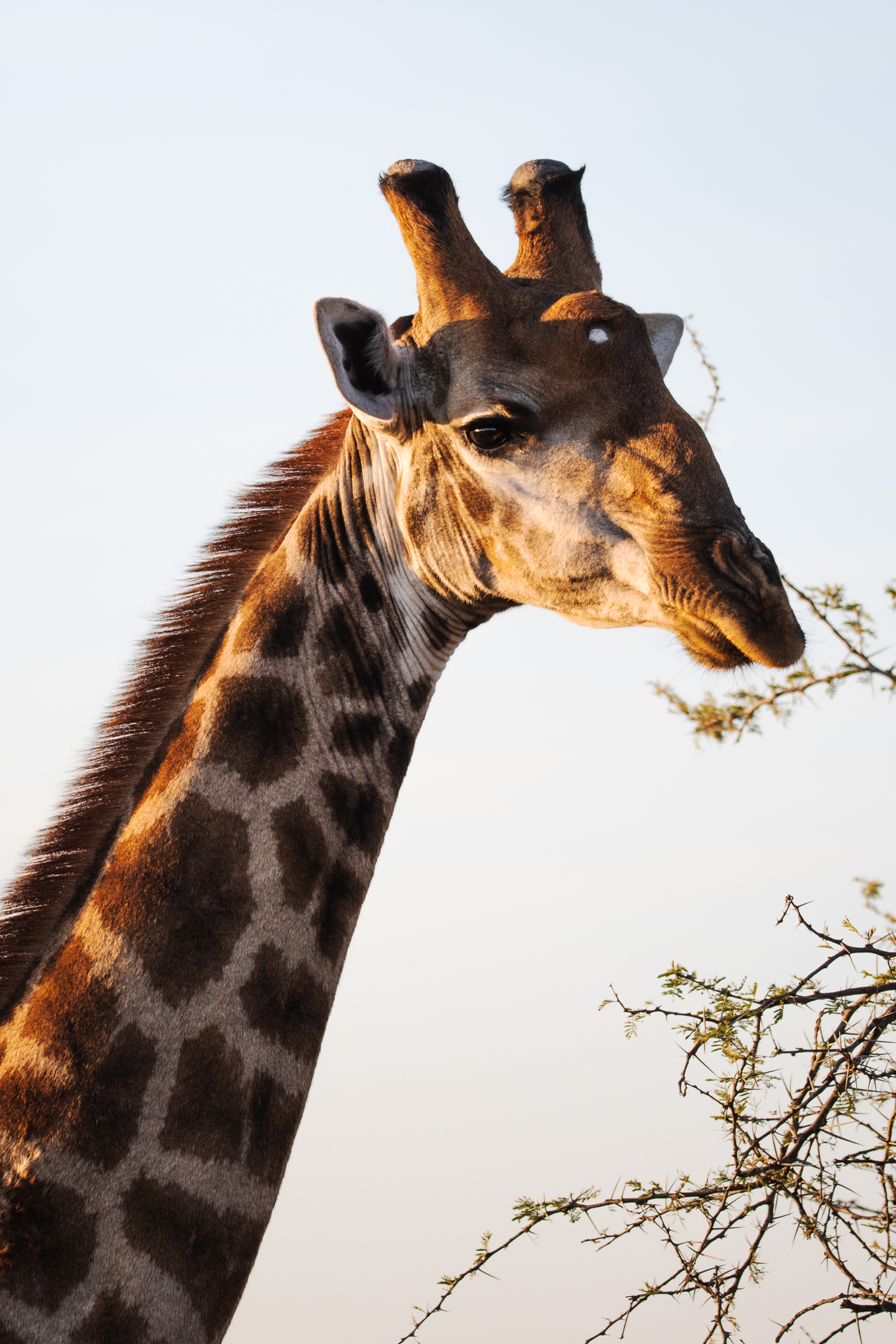
Arguably the most important part of a safari, a guide acts as driver, tracker, spotter, and teacher. A good guide will keep you safe while filling your head with information. Experts in animal behavior, they have an almost encyclopedic knowledge of the bush. They know when animals are active, where they might be found, and how to use signs to track them. A stellar guide can make any game drive exciting, even if you don’t have any sightings.
How many animals will I see on safari?
It depends on where and when you go! Your best chance to spot wildlife is at dawn and dusk when animals are most active. In areas where wildlife is habituated to seeing humans, they tend to be more relaxed. Often, they’re willing to come within a few feet of lumbering safari vehicles allowing for remarkably close sightings. However, some reserves have low levels of safari activity and allow hunting on-site. Wildlife in these areas tend to be more skittish so a close-up sighting might take a bit longer.
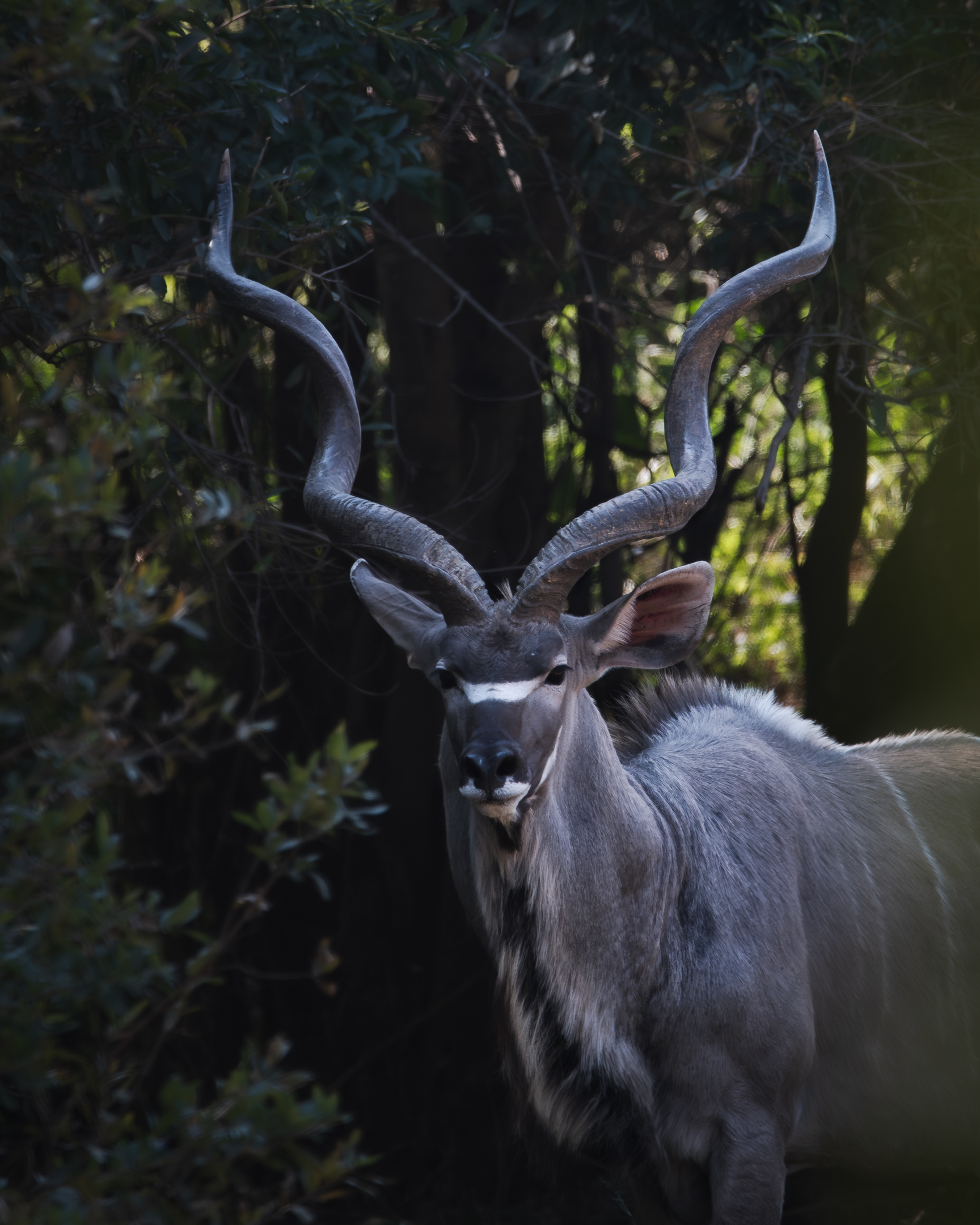
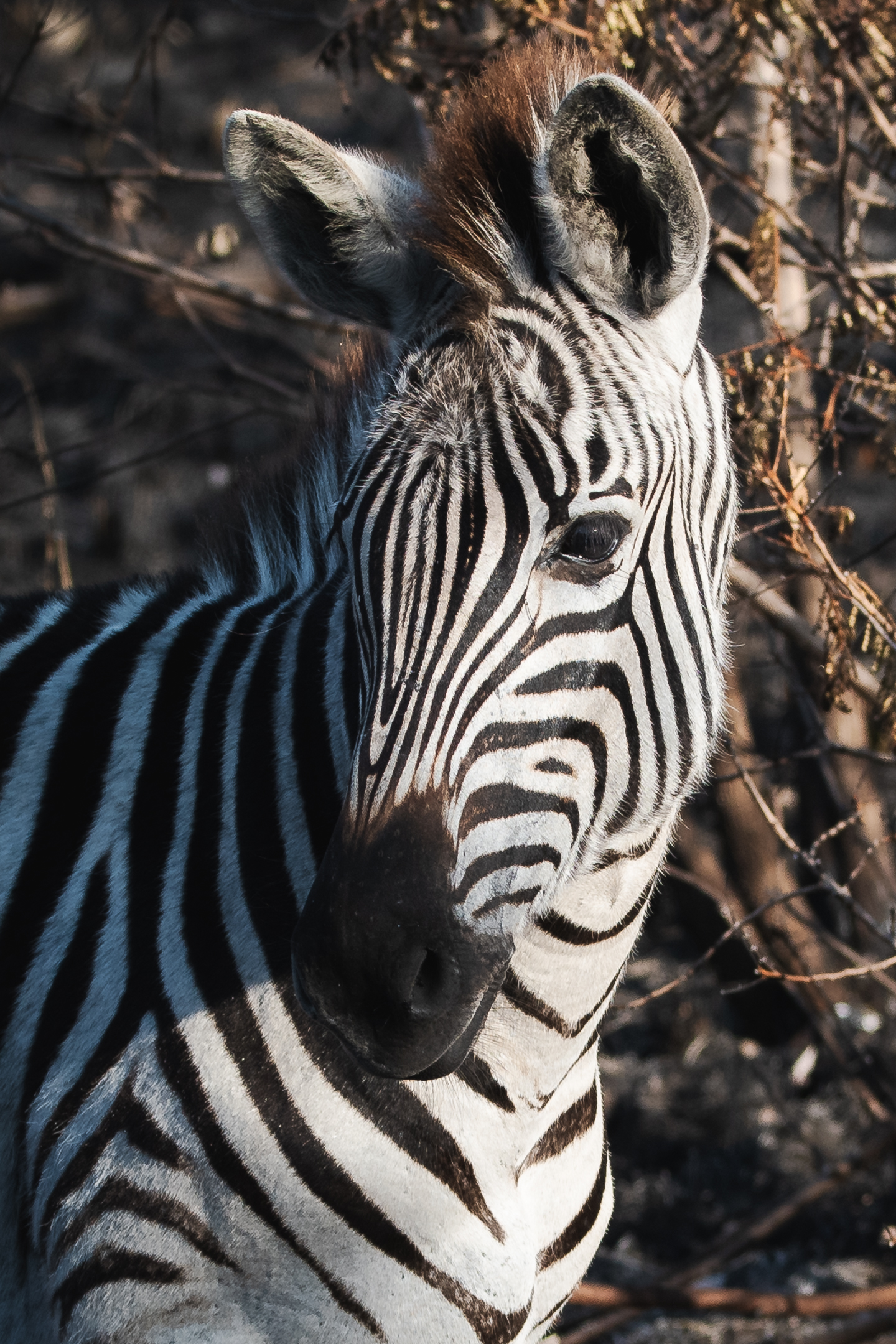
Remember that you’re not visiting a zoo. You are exploring enormous, largely unfenced areas where animals can come and go as they please. Sometimes you get lucky and find a leopard lounging in a tree with a fresh kill. Other days you might only see a few antelope. It’s all about being in the right place at the right time. Don’t forget, the search is half the fun!
What are the must have items in my daypack for a full-day safari?
Once you’re out on a full-day game drive, it will be a while before you return to your room. You’ll want a decent size bag to carry what you need for the day. Pack sunscreen, a hat, bug spray, snacks, a water bottle, and layers you can easily remove. If you packed a camera, don’t forget your charging block, extra batteries, and memory cards. Many lodges and tour companies will provide hot water bottles and blankets to keep you warm during the cooler morning game drives but having a scarf and gloves is a good idea.
Do I need to tip my safari guide? If so, how much?
Tipping culture in South Africa and Zimbabwe is similar to the United States. On average, a tip between 10 – 15% is normal. Most tour companies like G Adventures will provide suggestions for how much to tip. You can also ask your tour guide if you’re unsure (I found this website to be useful too).
What kind of camera should I bring on safari?
The best camera to bring is the one you know how to use. Don’t wait until the safari to learn how to use your digital camera. You don’t want to be fumbling with your settings when a sighting happens! I promise, a little practice prior to your trip will make all the difference.
If your goal is to take quality close-up photos, you’ll want a camera with a zoom lens (150 – 600mm). This will allow you to capture the highest resolution images at the longest distance. In many cases though, your phone or a point-and-shoot digital camera will work just fine. You can capture some amazing photos at close range, and they’re easy to share at the end of the day. You also don’t have to worry about lugging that huge lens all over the continent!
Should I bring my drone on safari?
No, drone use is banned in nearly all national parks and game reserves in Africa. A safe rule of thumb when observing wildlife is that your actions should not impact the animals you’re observing. Not only can drones flying overhead cause animals to become stressed and flee, putting people and other animals in danger, it’s distracting for those around you. If you’re desperate for a safari from the sky, check out a hot-air balloon, microlight or helicopter ride. These are offered in certain areas and can be arranged by your lodge or tour operator.